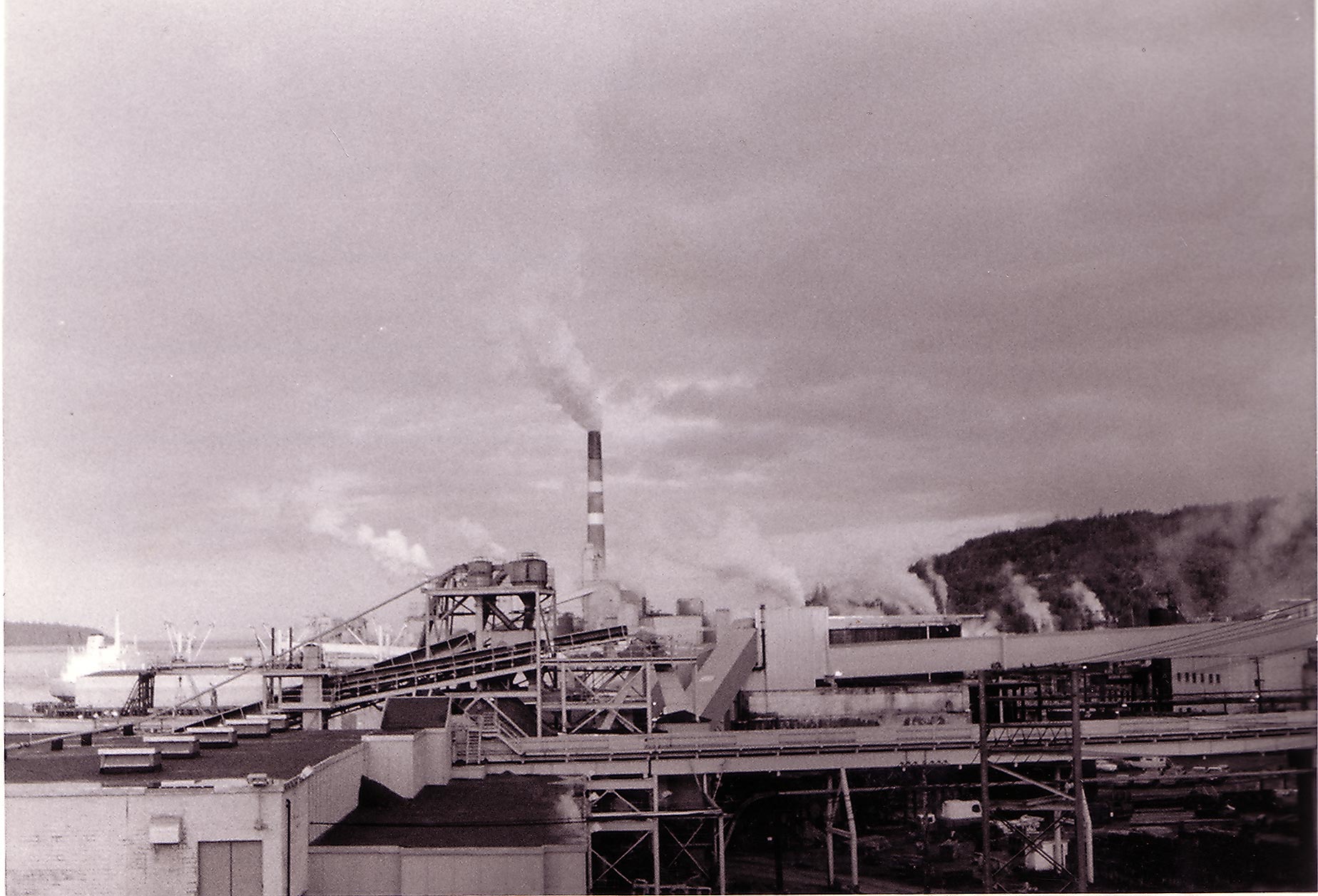
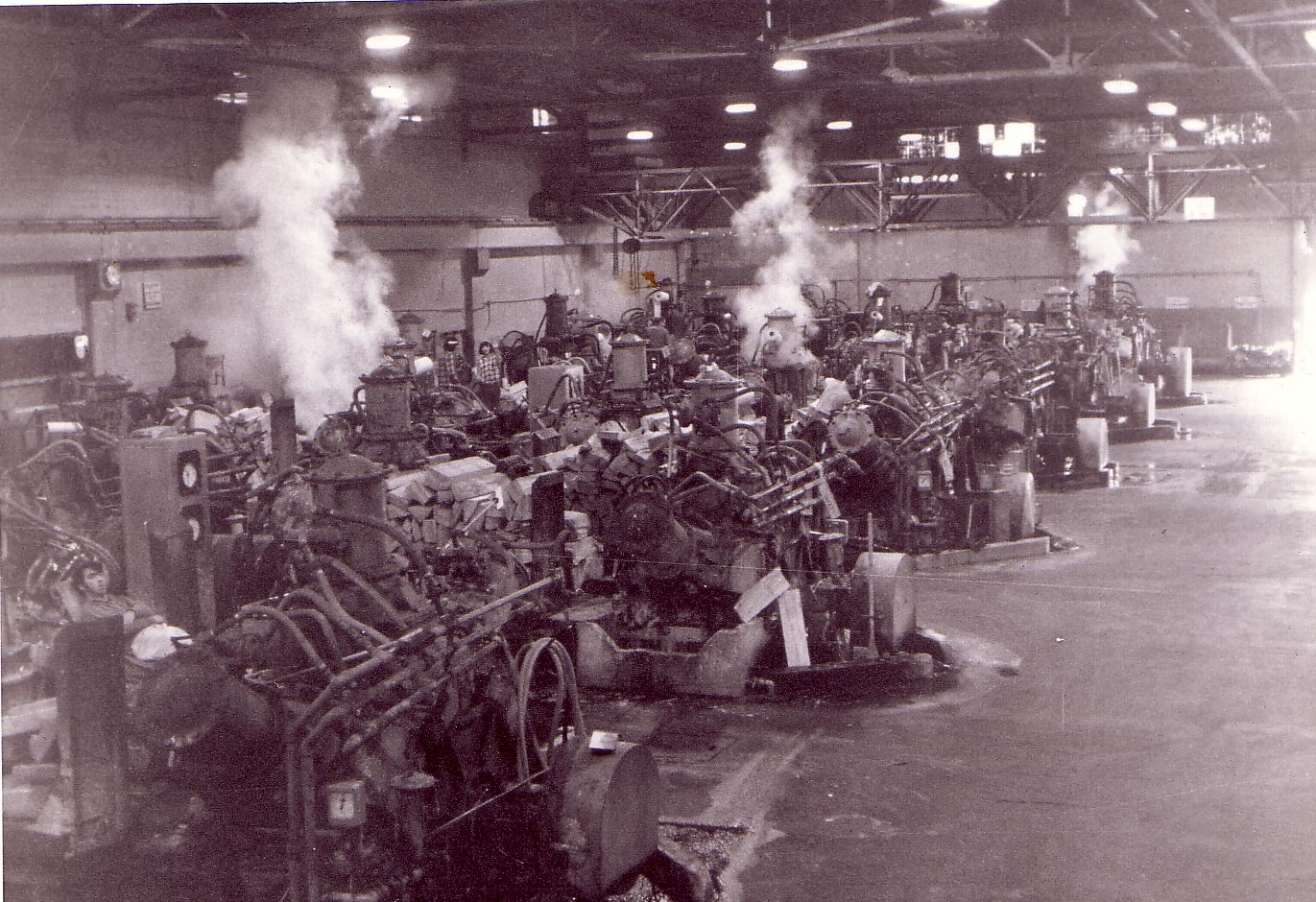
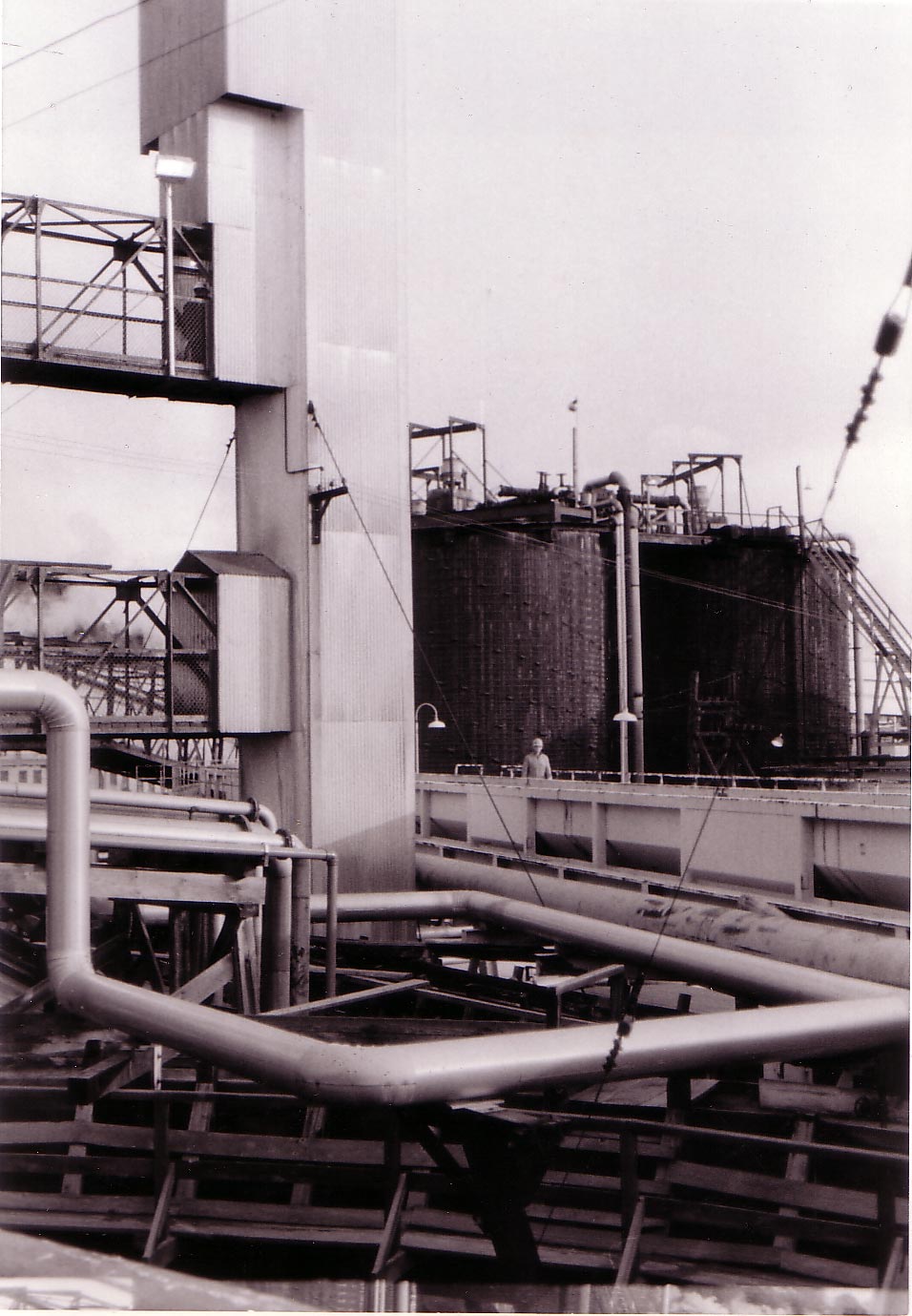
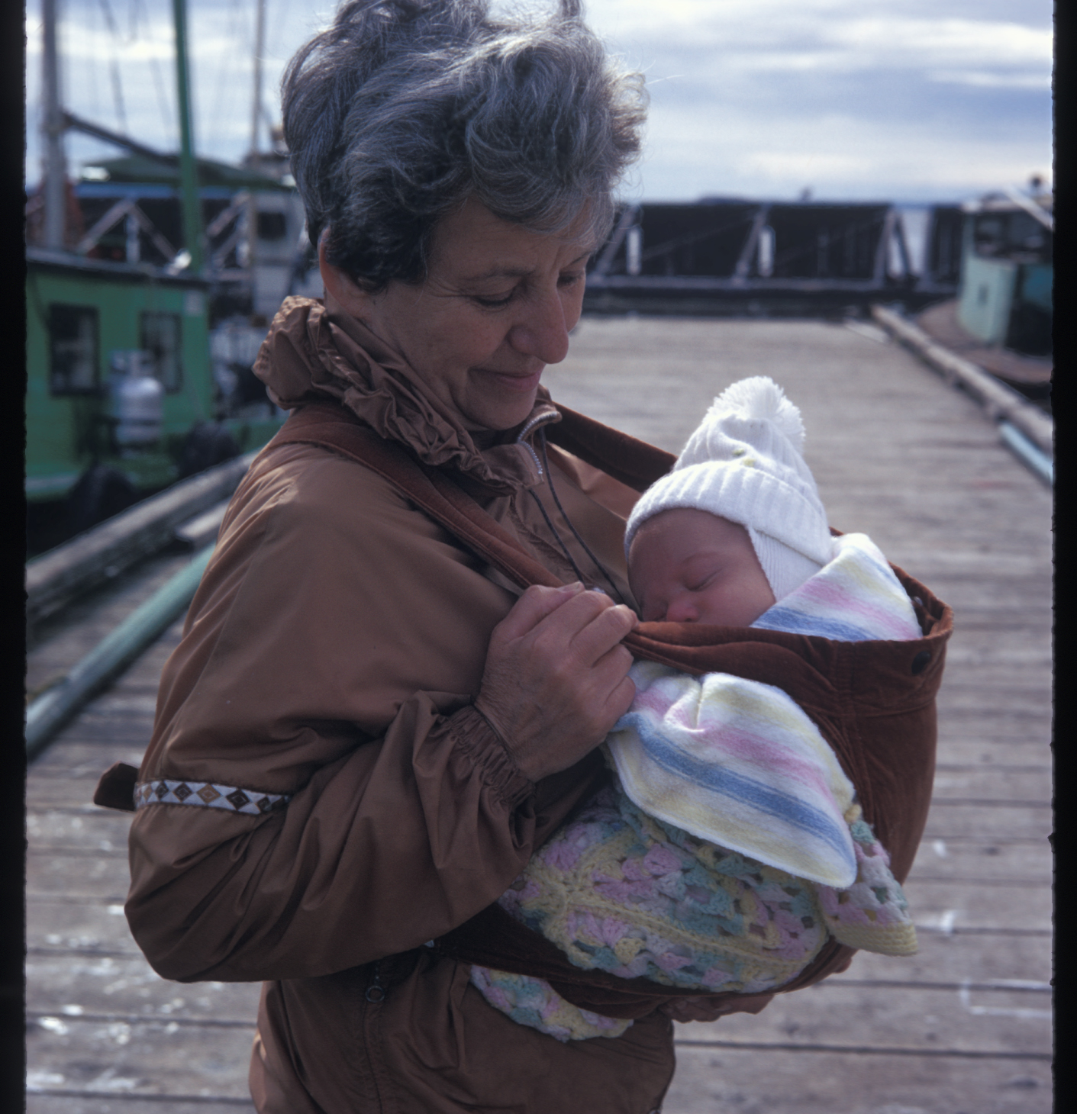
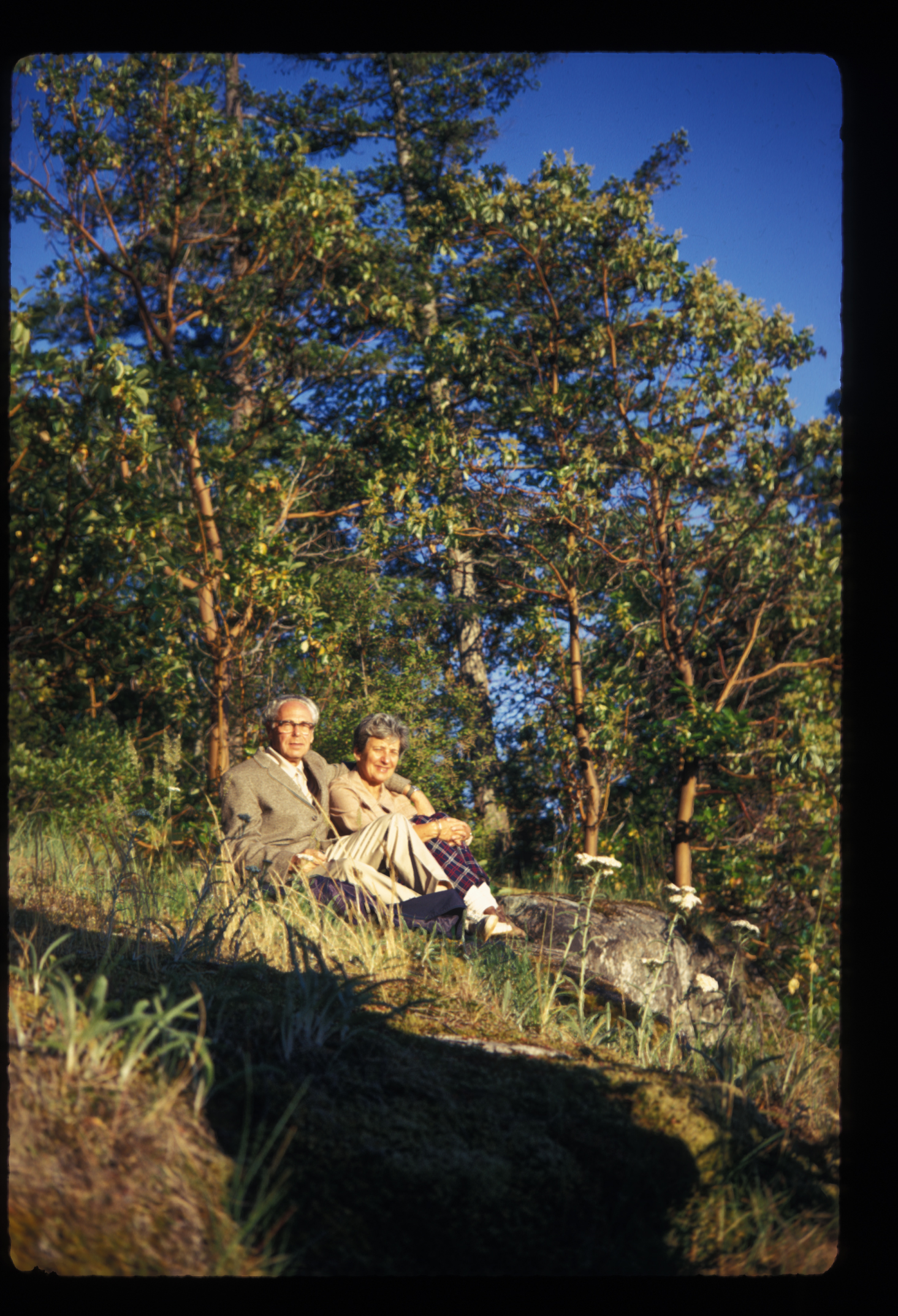
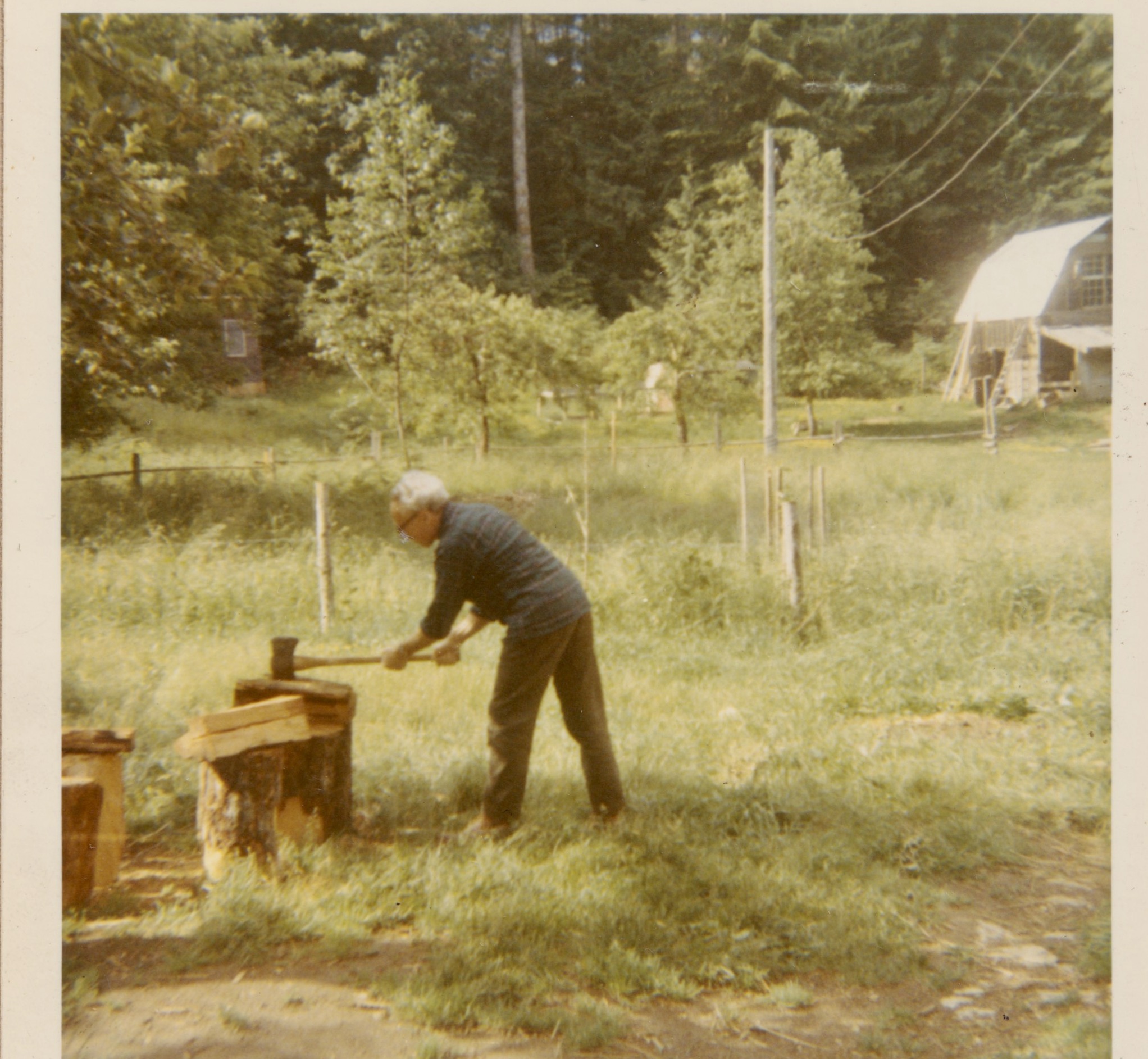
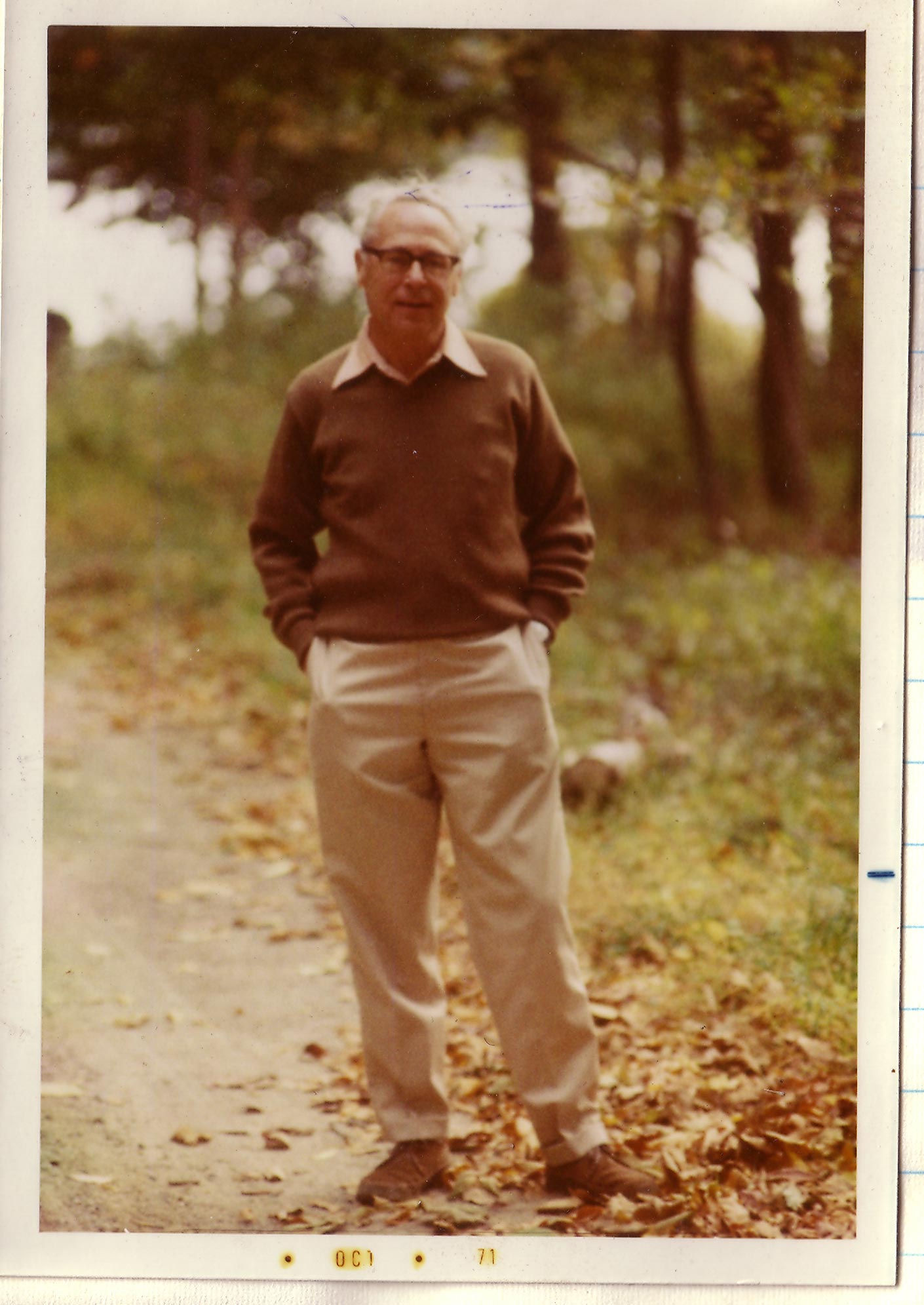
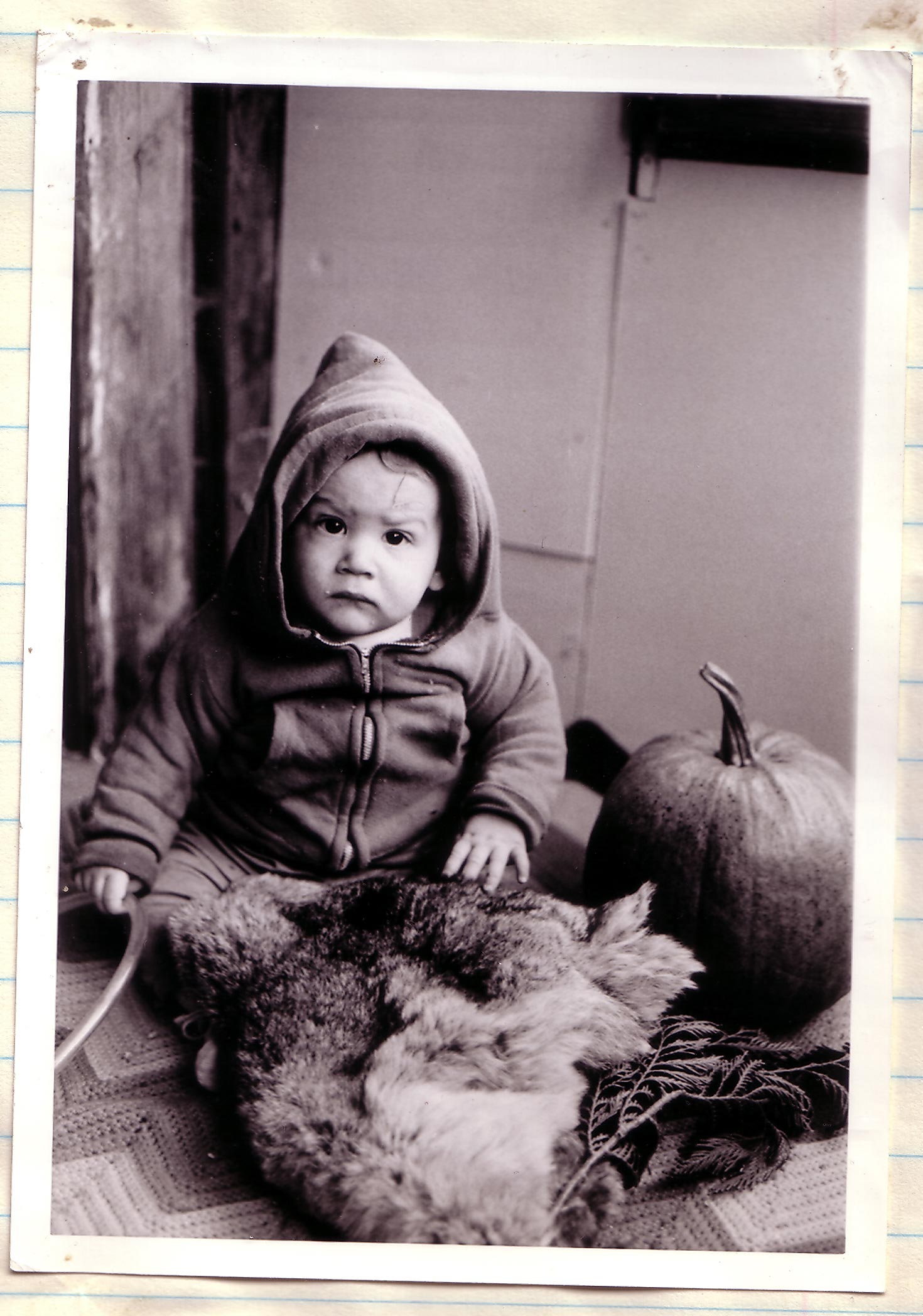
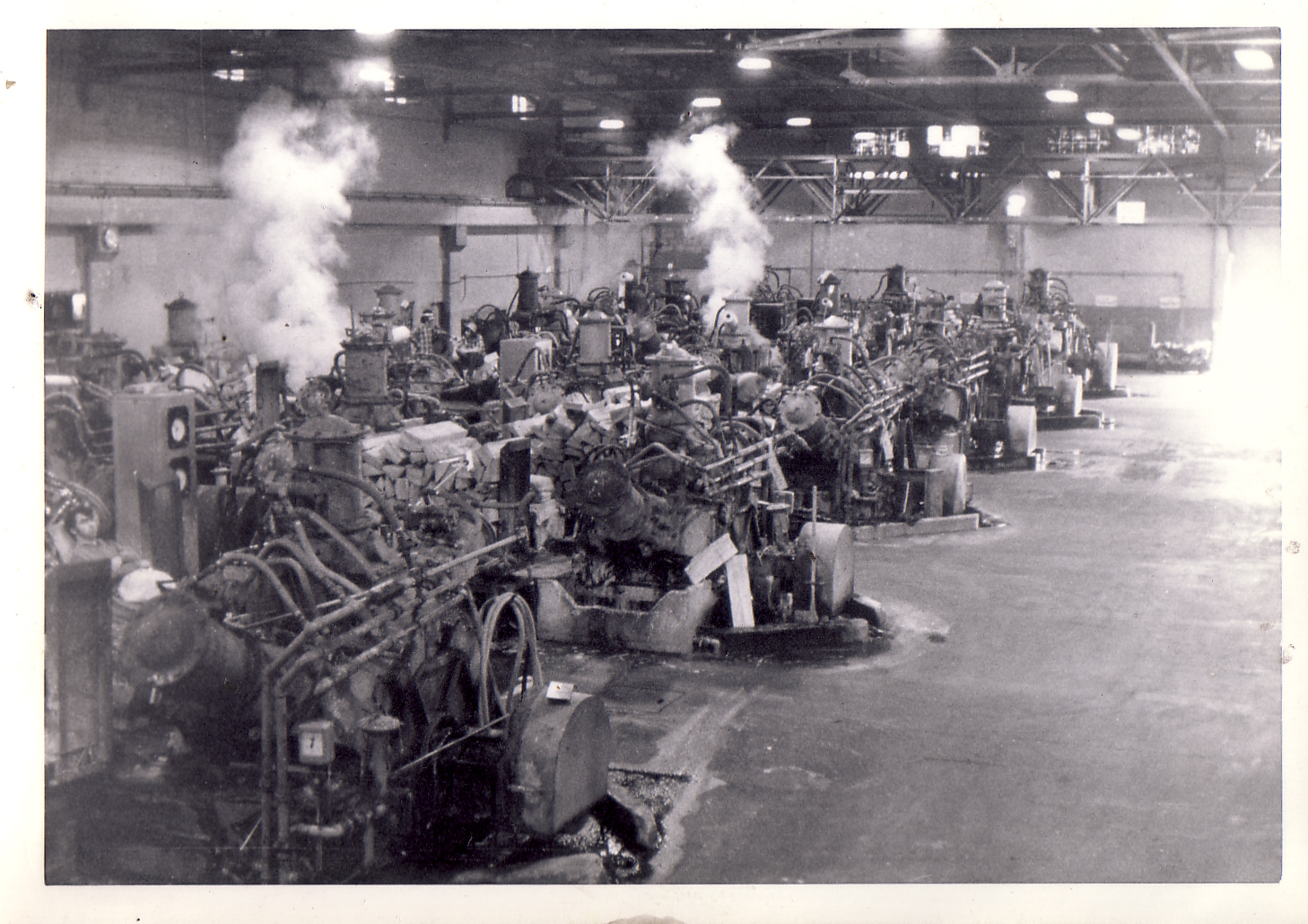
Lund 1970's

The American Scholar: An address to Sigma Tau Delta and the English Club

Thursday, October 21st, 1993

“Mr. President, Ladies and Gentlemen: I greet you on the recommencement of our literary year….We do not meet for games of strength or skill, for the recitation of histories, tragedies and odes,…for parliaments of love and poesy…nor for the advancement of science…Our occasion is simply a “friendly sign of the survival of the love of letters amongst a people too busy to give to letters any more. As such it is precious as the sign of an indestructible instinct. [In the hope that this love will thrive and persist,] I accept the topic which not only custom but the nature of our association seem to prescribe to this day–the American Scholar. Year by year we come together to read one more chapter in his biography. Let us inquire what light new days and events have thrown on her character and her hopes.”

Those, roughly, are the opening words of Ralph Waldo Emerson’s “Oration delivered before the Phi Beta Kappa Society at Harvard on August 31, 1837,” thereafter published under the title of “The American Scholar,” and venerated ever since as a classic document in both the realms of literature and of education. What am I doing getting up here in an academic robe and mouthing them as if they were my own?

Well, just as it was to Emerson, the title of this talk was given to me as one appropriate for the occasion. Thomas Patchell, your new president, invited me to speak on this topic at two oclock in the morning at McCarthy’s bar last June 4, after the cleanup of the English Department’s Year End Bash. I was too exhilirated or too tired or too drunk to say no. But from a more sober perspective there is a certain appropriateness. Though this is not Harvard, but Cal Poly, and though our meeting is sponsored not by Phi Beta Kappa but by Sigma Tau Delta, the Cal Poly English Honor Society, we too are celebrating the recommencement of the literary year and the survival of the love of letters in a less than congenial environment. And though the audience facing me tonight may not include the likes of Henry David Thoreau, Margaret Fuller, and William Henry Dana, just back to Cambridge after his famous sea voyage to the Central Coast of California, it couldn’t be any more challenging to me than the one Emerson faced 156 years ago. He tells us that the custom of his audience prescribed that the speaker read a chapter in the biography of THE American Scholar. But since I’m a little short of Ralph Waldo’s measureless confidence, I’ll scale back the assignment and limit my scope to a chapter in the biography of the one American Scholar I feel qualified to talk about, myself. That will require about as much transcendental ego as I can summon up.

(more…)

Desolation Sound

Friday, December 20th, 1985

Elegy for Eric (1962-1985)

Now closer creep the shadows of the trees
The pasture’s morning mist makes squash leaves freeze.
The house without a fire’s a chilling place
Forsaken of the summer’s hot embrace.

A dullness weights the limbs, fatigues the mind
Acts fail, words trail, thoughts snap, ears seal, eyes blind
Alone sleep offers rest from fear and pain
But nightmares waken torments once again.

Bottomless and void, bereft of light
The sea has robbed us of a spirit bright
A man-child at the verge of fatherhood
Innocently searching for the good.

He dove below his depth alone for love
And left alone his loved ones here above
His friends, parents, lady and child-to-be
His boats, barn, his plans to farm the sea.

Without him we grow old before our time
But in our hearts he stays in youthful prime.
So let us gather now in deepening night
And sharing sorrow, kindle warmth and light.

Dreams

Saturday, September 30th, 1978

1. In a large gymnasium-like hall or ballroom in New York.  Tremendous bustle of well-dressed happy people putting together some kind of big, important program.  I’m wandering through, jostled and lost.  In the crowd I recognize a face on a small, closely shaved man in brown salt and pepper tweed well tailored suit. Paul Gor…! I walk up to him and say his name. He gives me an inquiring look and I see he’s trying to remember my face. “I’m not surprised to see you, Jed said you were in New York,” I say.  His face more receptive, though he’s still silent. “Steven Marx, Camp Tacoma Pines.” I say.  He begins to smile and I’m about to start telling him my recollection of his gift of gab in the counsellor’s shack, but suddenly my mouth is filled with a huge wad of chewing gum. I say “Just a minute, let me get rid of this gum,” and he waits patiently.  I deep pulling out more and more of the gray glutinous gop from my mouth, but it sticks to my teeth and the outside of my gums.  I turn my back to Paul and keep tugging away at it at the same time trying to cover my gaping mouth with my right hand.  He continues to wait, the courteous slight smile on his face hardening.  Finally he drifts away into the crowd.

2. I come out of a large building—have either lost or ruined my car.  Steve E. is dressed like Lomov in “The Marriage Proposal.” He’s leading a horse through the traffic.  To the horse’s muzzle is attached a chain which is drawn inside the rear end of a big yellow school bus with a nice solid rasping noise through a rusty cast iron fitting. When the horse gets to the bus, the rear door opens and it climbs in.  Steve closes the door behind it.

I ask him for a ride and some help and he delivers a tirade–what he doesn’t like about me: I don’t do my own dirty jobs, I get so anxious when I work I cant get anything done, I avoid problems by using my money to hire someone to solve them.

People start getting on the bus.  They’re dressed in evening clothes.  Two women about 50 years old are standing by the back door.  Two mature gentlemen come through the door and up the stairs, look at the women’s faces, exchange long silent glances and then embrace them.

Sukkot

Friday, October 22nd, 1976

Peace, composure. Gladiola in the red teapot in the blue kitchen. Dahlia in the medicine bottle on the little table.  Pumpkins on the mantle.  Two days of being with children, processing food—apples, tomatoes, hemp. The plants watered, the dog sleeping by the stove. Cleaning house. The dust and cobwebs and foodstains are gone, the outlines of the furniture, walls, floor are clear not fuzzy.  It feels good to look around.

And yet restlessness.  I wish I were writing.

Autumnal

Monday, September 13th, 1976

September 12

Shingles under the arms, face broken out, insomnia, stomach tightness, irritability, the desire to run away from farm, wife, child, Canada.  Moments of tenderness and intense communication.  Tears close.

Jonah’s crying interrupts my 10 p.m. reverie.  He is shaking in fright, counting “4,5,6,7, 8,10 Mummy, mummy.” Janet is in bed with the flu.  He wants her.  Her involvement with “A Taste of Honey” has been consuming.  For days he’s been shuffled around.  Neither of us have time for him. And he’s just starting kindergarten, a world of rules and crimes and older kids and bullies and beautiful powerful girls and a friendly but harassed authority, and another not so friendly authority. He’s just back from Denver, where his grandparents provided the life he wants.  Today in the car he said he prefers Vancouver to Lund and Denver to Vancouver.  He wanted to hear Lise’s letter and Henry’s story written for him last spring.

1974joeblocks.jpg

The child has such a tie with his grandparents.  If I could be more like them he and they would like me better.  They give lots of support—as long as there is enough money and some professional status.  I fear their loss.  Henry is 70, Lise 66.  I fear them dying.

Autumn blues; the fear is descending. Perhaps with my first week of classes, the first film, it will pass. Or perhaps not, until the play is over.  The potential is here for the order we seek.  The time for each other and our creative pursuits.  Will it come?

September 13

Indian summer has deserted us.  It’s grey and blowing hard this morning.  I sigh with anxiety…and yet exaggerate.  Jan is under greater pressure and she sleeps.  I fear the chill. I wish to placate and propitiate. When is the day of atonement?

September

Sunday, September 5th, 1976

A coffee break between loads of dishes
Evening sun through a gash in the clouds
Goats moving in the rain
Grass green grows lush like June.
Cat Stevens scratchy record.
Jan and Joe iron initials on his new school bag.
Tomorrow the first day.

1974janjoe.jpg

Keefer Street

Sunday, January 25th, 1976

Hey, let’s go down to Chinatown
And get a bit of Lichee
You say that you’re allergic
And it makes your elbows itchy?
Well, that’s no serious problem
I know just what you should do:
Mash ginger root with ginseng root
And get a sticky goo
Mix it up with some rice vermicelli
That you’ve dipped in a little grass Jelly
Then rub it gently around on your belly
And wipe it off when it starts to go smelly.
Do this and your elbows will never get itchy
Though you’ve eaten your fill of delitchious lichee.

(Written for the Lund Theatre Troupe’s Production of Free to Be You and Me)

1973freetobe1.jpg

Protected: June 6 1975

Friday, June 6th, 1975

This post is password protected. To view it please enter your password below: