Author Archive

Buddhist Shakespeare

Monday, February 6th, 2023

An Address to the White Heron Sangha
February 5, 2023

Good evening fellow White Heron Sangha members and visitors. Thank you for once again inviting me to give a Sunday night Dharma Talk.In some previous ones I’ve explored ways that American literary writers I admire, specifically, Henry David Thoreau, Jack Kerouac and Leonard Cohen, were influenced by Buddhist texts and incorporated them into their own unorthodox experiences and writings.

Tonight, I want to examine ways that the works of William Shakespeare connect with my understanding of Buddhist principles. There’s no evidence that this sixteenth and seventeenth century British writer had any exposure to Buddhist teachings. Nevertheless, I find in his works many ideas in common with what’s called “the Dharma,” identifiable with what Joseph Campbell called The Perennial Philosophy.

In the immense body of Shakespeare literary criticism since 1948, I’ve found only two items, both quite recent, that treat this subject: The Buddha and the Bard by Lauren Shufran (May 2022) and Shakespeare Meets the Buddha by Edward Dickey (October 2021).

My own interest in the subject arises from an academic career that included teaching, directing and writing about Shakespeare—including a book which argued that Shakespeare read the Bible as literature and construed its varied depictions of God as personifications of the theatrical roles of author, director and actor.

In this talk I will align six Buddhist doctrines with recurrent Shakespearean themes

1 Emptiness and Form, Prajnaparamita –The World as Stage
2 The First Noble Truth, Dukkha–Tragic Suffering
3 Dependent Co-arising, Ptratityasamutpada–Motivation and Causality
4 Impermanence, Anicca–Time
5 Delusion, Avidya–Error
6 No-self, Anatta–The Person as Actor

Separating, labelling and numbering these ideas is somewhat misleading, since they often overlap or blend. However, this kind of schematic analysis is typical both in Buddhist texts and in literary criticism because it opens new ways of understanding. (more…)

Halloween 2022

Monday, November 7th, 2022

On Friday the 28, Jan and I visited the Reis Family Mortuary on Nipomo Street to complete the pre-arrangements for “immediate burial” in the gravesites we purchased last June in the SLO Cemetery. This is the bottom of the line selection. It includes transport and storage of the remains until the grave is dug, delivery to the cemetery, cotton shroud, cardboard box and death certificate for $1845 each, in keeping with our choice of green burial.  One option we added was permission to have a witness at the interment for an additional $250. Had we gone with the mortuary affiliated with the cemetery, the price would have been $3250.

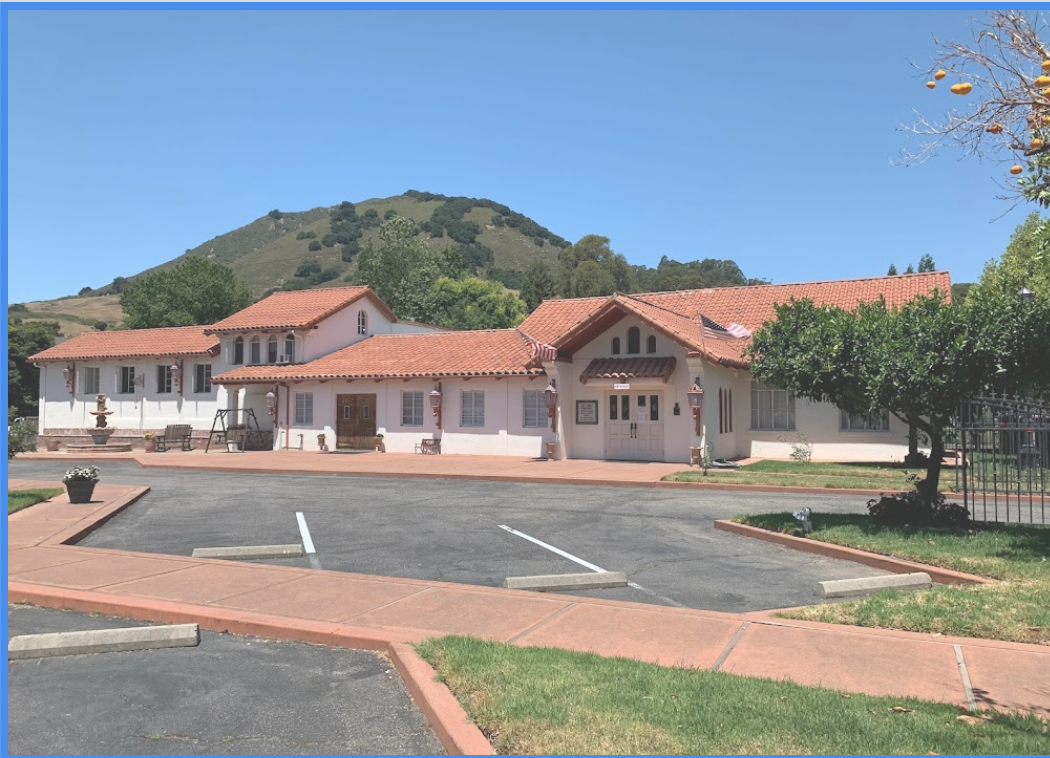
The mortuary is located near the center of town in an attractive neo-colonial building.
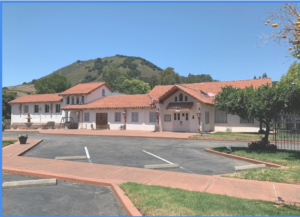
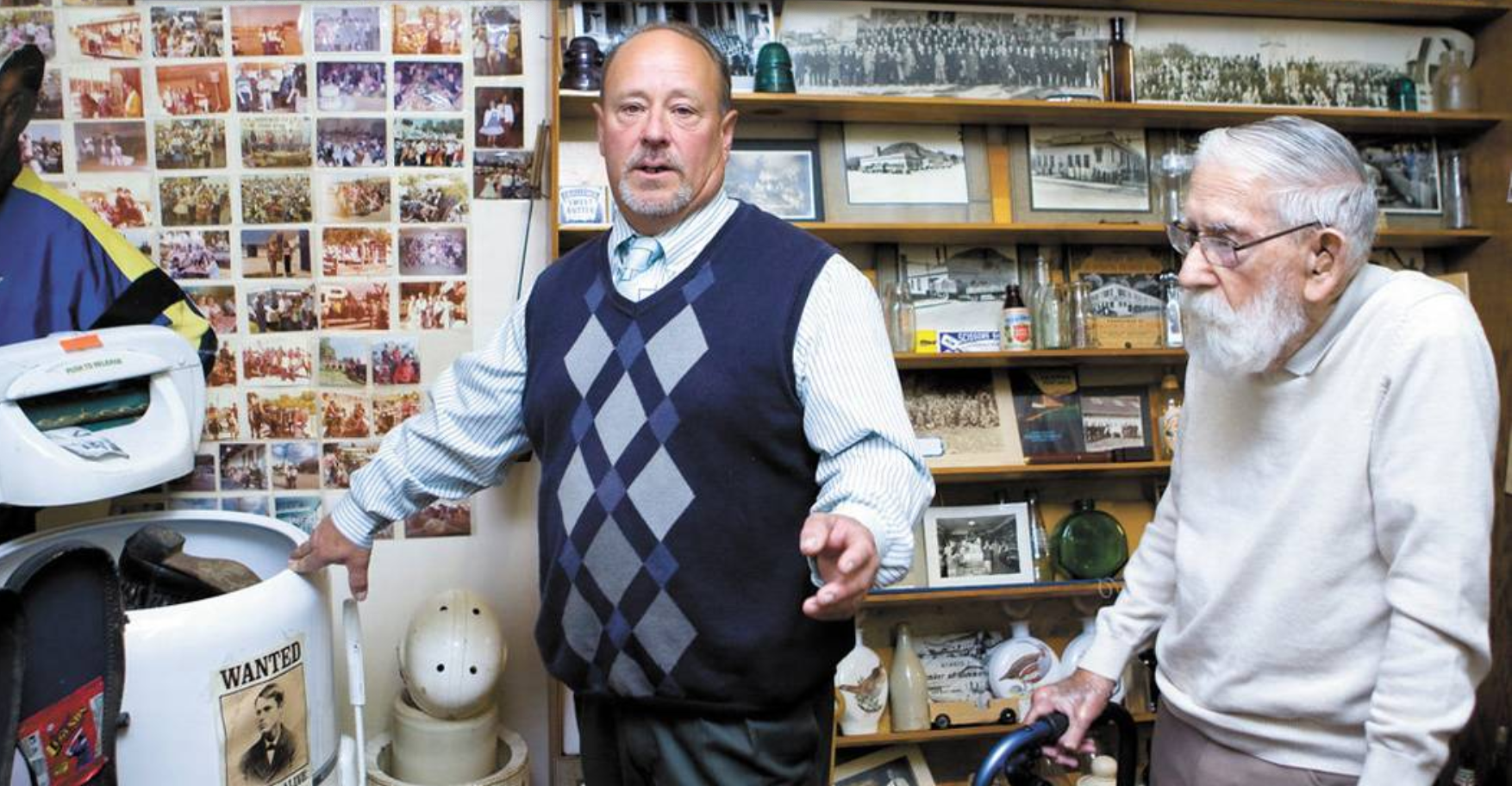
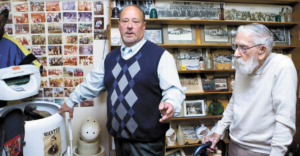
LisaMae, the amiable Salesperson, made the lengthy process of filling out forms, upbeat and casual.  As it concluded, we were greeted by a gentleman in jeans and suspenders with a missing lower tooth, who introduced himself as Kirk, the son of the former owner. Though we both felt heavily in need of afternoon naps, Kirk insisted we tour  the museum his father had created. He led us down two flights of stairs, not into a dark crypt but  a riotous display of memorabilia–newspaper front pages going back to the 1930’s glued to the walls, collections of hash pipes, dolls, model trains, and bumper stickers–stored in three rooms connected by vault-like refrigeration doors, relics of the dairy operation which had occupied the site in the early 20th century.
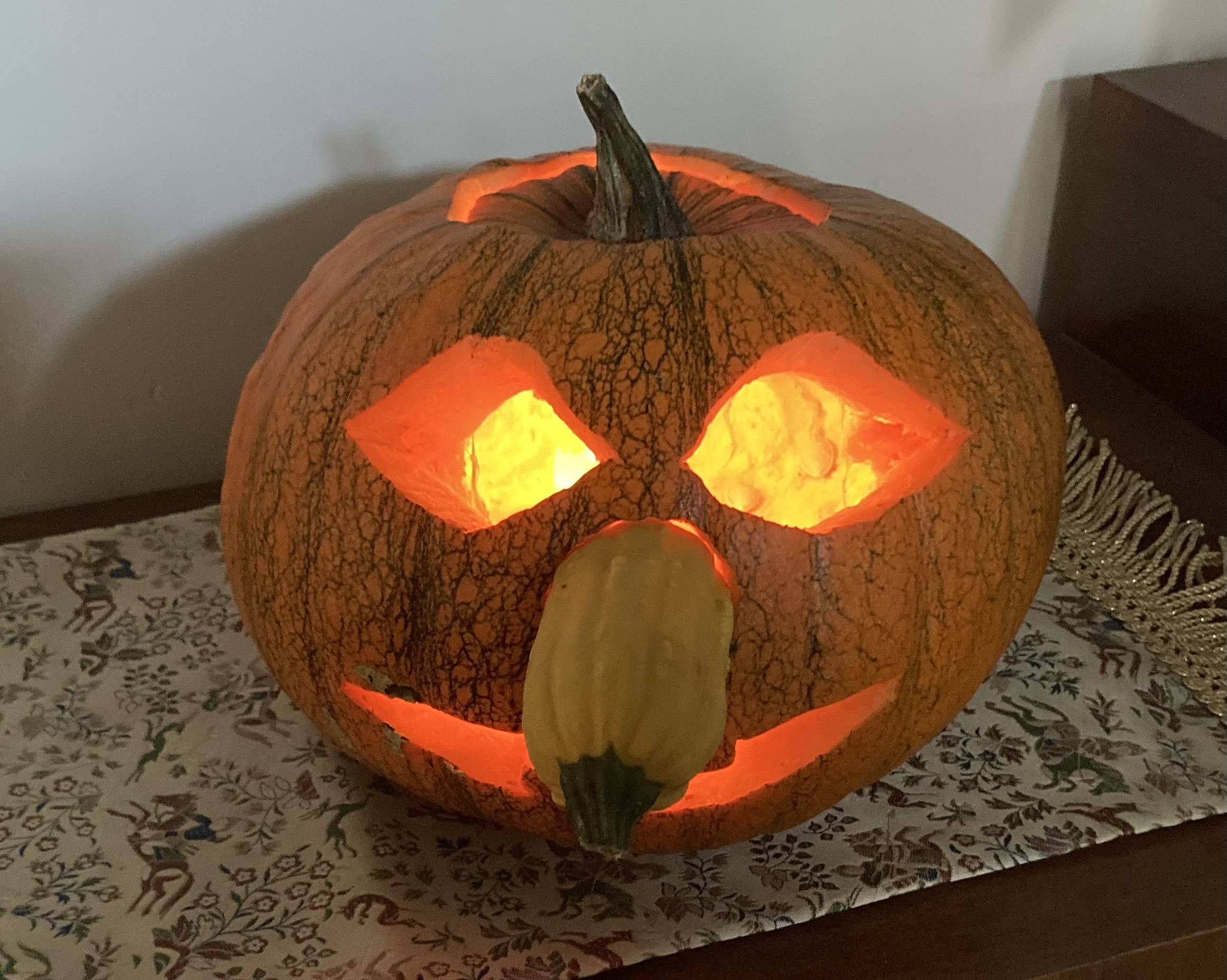
Over the weekend, Jan’s brother stayed with us, two weeks after the memorial in Long Beach for his wife, who died recently after a year’s ordeal with brain cancer. I drove him to the RR Station at 5:00 am on the 31st and then went to the farm to tend the new lambs.  I came back home with a pumpkin and felt an unexpected need creeping over me to do something for the holiday. I emailed friends living nearby with an invitation to stop by for a drink while trick-or-treating with their kids and  set to work carving the pumpkin with the saw on my Leatherman, stuffing a warty squash in the hole for a nose.

As the afternoon darkened, I felt an urge to visit our burial plots just across the freeway. Since I expected she’d never been there, I invited my co-worker, K., to join me for a Halloween excursion. Hesitantly she agreed.

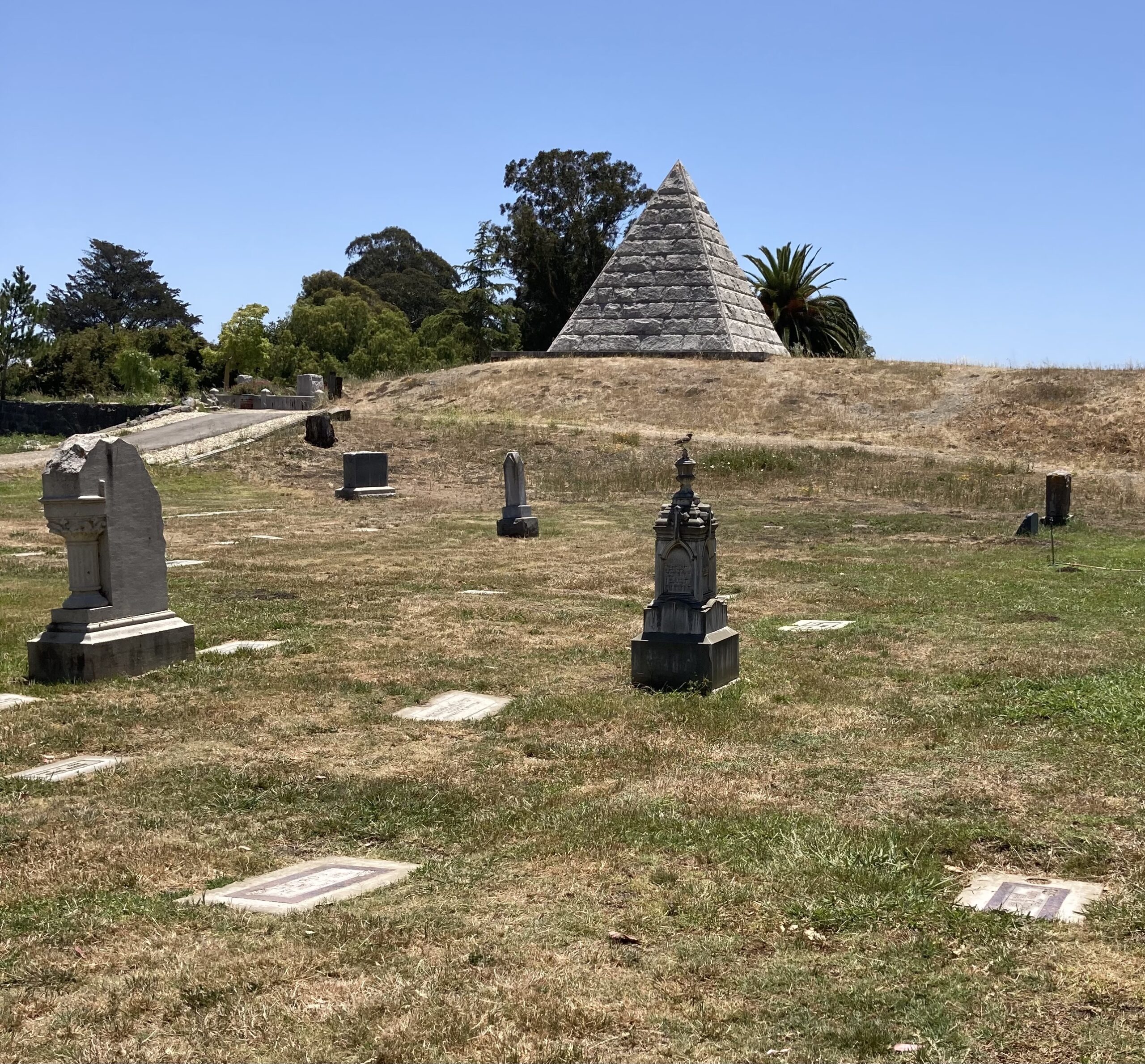
On the way, I delivered what had become my spiel about the place: its location between Central Coast Brewery and the Sunset Drive-In adjacent to a littered hobo highway, its use extending back to the Civil War, its inclusion of many SLO City notables, its Jewish and Muslim sections. We parked on Elks Lane and walked down the main thoroughfare toward the bizarre Dorn pyramid. I pointed out the sites close to it that Jan and I had purchased in January.
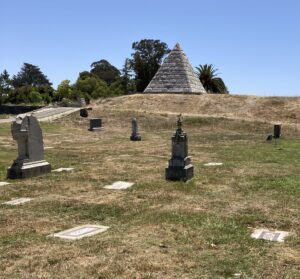
At the top of the serpentine outcrop on which it perched, I recounted the tale of  the husband who built it as a memorial for his wife and daughter after they died in childbirth with the intention of eventually joining them but soon afterward moved to San Francisco, started a new family and never returned.  I recollected being there 30 years earlier with students in my Shakespeare class who had chosen it for the location to video their performance of the tomb scene in Romeo and Juliet.

Walking back to the car, I declared that this place felt comfortable to me because at my age death seemed  a natural and sometimes welcome prospect rather than the tragedy of dying young.  I’ve had the time to live out my opportunities and choices.

On the return drive, K. was quiet. I worried that my pressuring her to go there might have awakened the pain I remembered in her voice when she spoke about her father, who died when she was a teenager.

Back at Citrus Court the setting sun put on a florescent pink lightshow. I set the jack o’lantern onto the transformer in the front yard, moved up the slider bench for a ringside seat and poured wine for Jan and me.  As the streetlights came on, the Court awakened with costumed revelers.  First were our immediate neighbors, dressed as ’70s hippies, carrying their 2 year old, severely autistic child, who made an instant of smiling eye-contact, then turned away.  Then a group of costumed young couples and children paraded by carrying their own drinks. Other families, including a laughing grandma in a wheelchair, stopped to say hello.  Older kids dressed as media characters I couldn’t recognize, filled both sidewalks. The joyful street life recalled trick-or-treating in the poor New York district we lived in until I was eight.

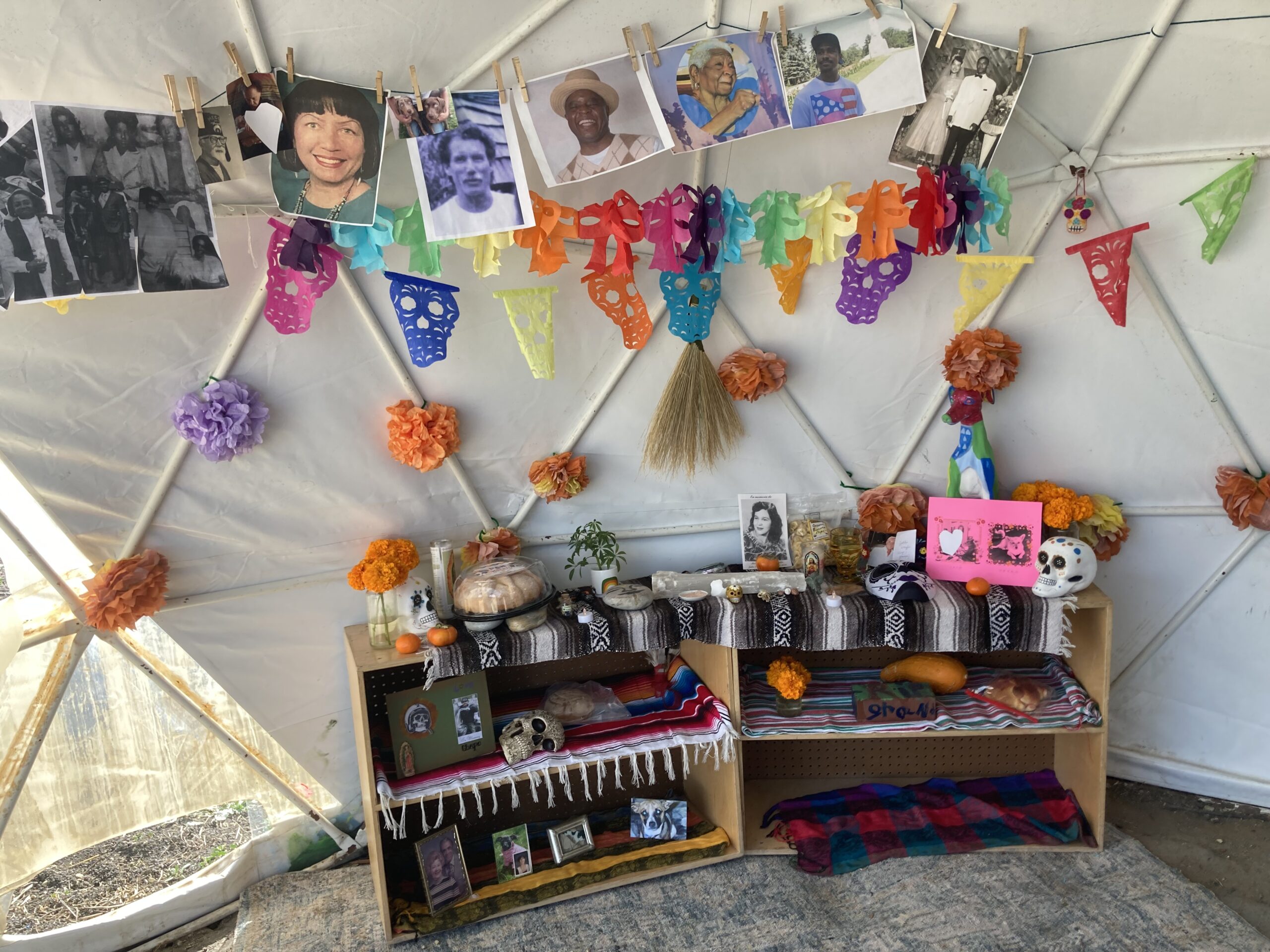
Next morning at the Farm I was greeted by Miss J., the Waldorf outdoor school’s teacher. She asked me to look at the altar she’d created inside their little geodesic dome to observe November 1, Dia de los Muertos, The Day of the Dead.
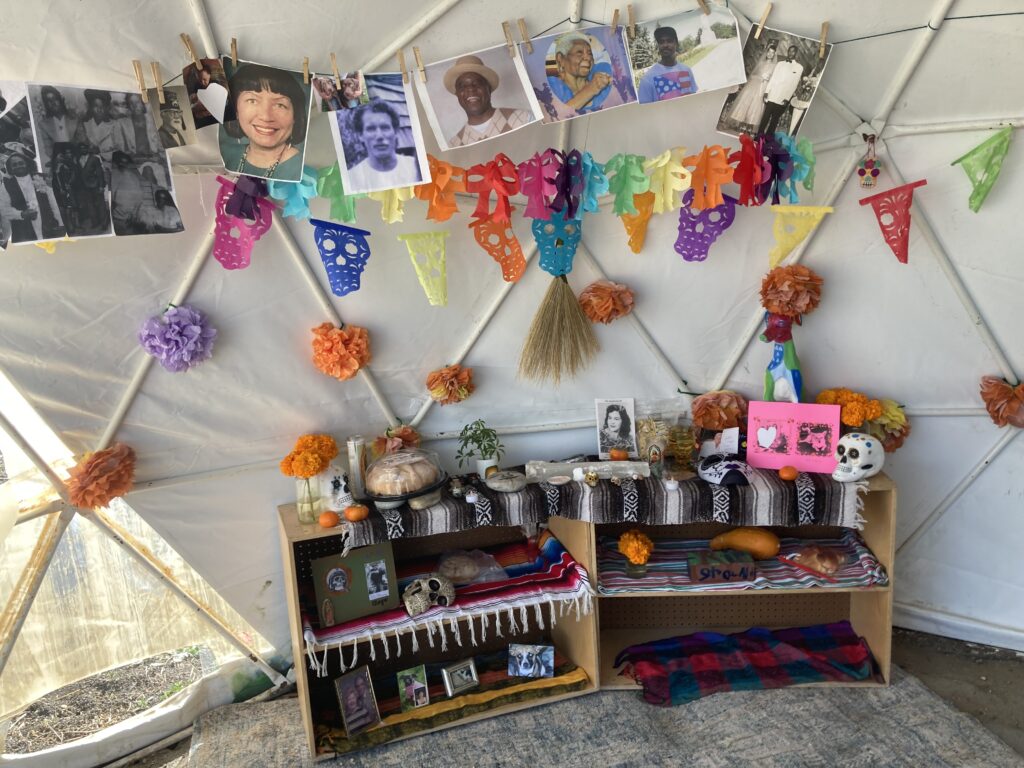
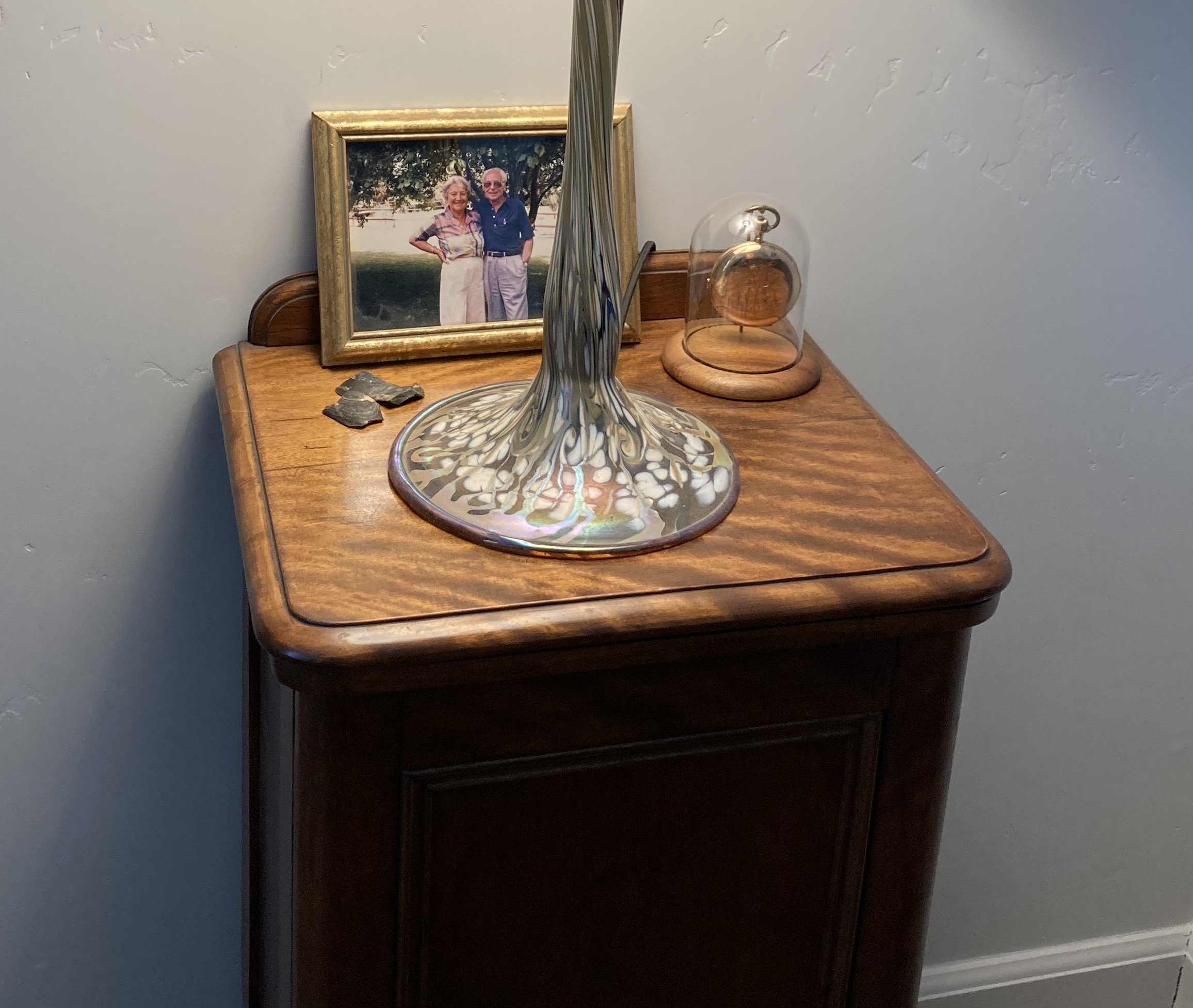
Her bright display of flowers and food, colored cutouts, and photographs of departed family members brought a shock of recognition. I’d forgotten that this was the holiday of jolly mourning, the mood which  stirred me into activity yesterday afternoon.  I’d forgotten that in the corner of my study I kept such an altar year-round on an antique washstand containing the ashes of my parents.

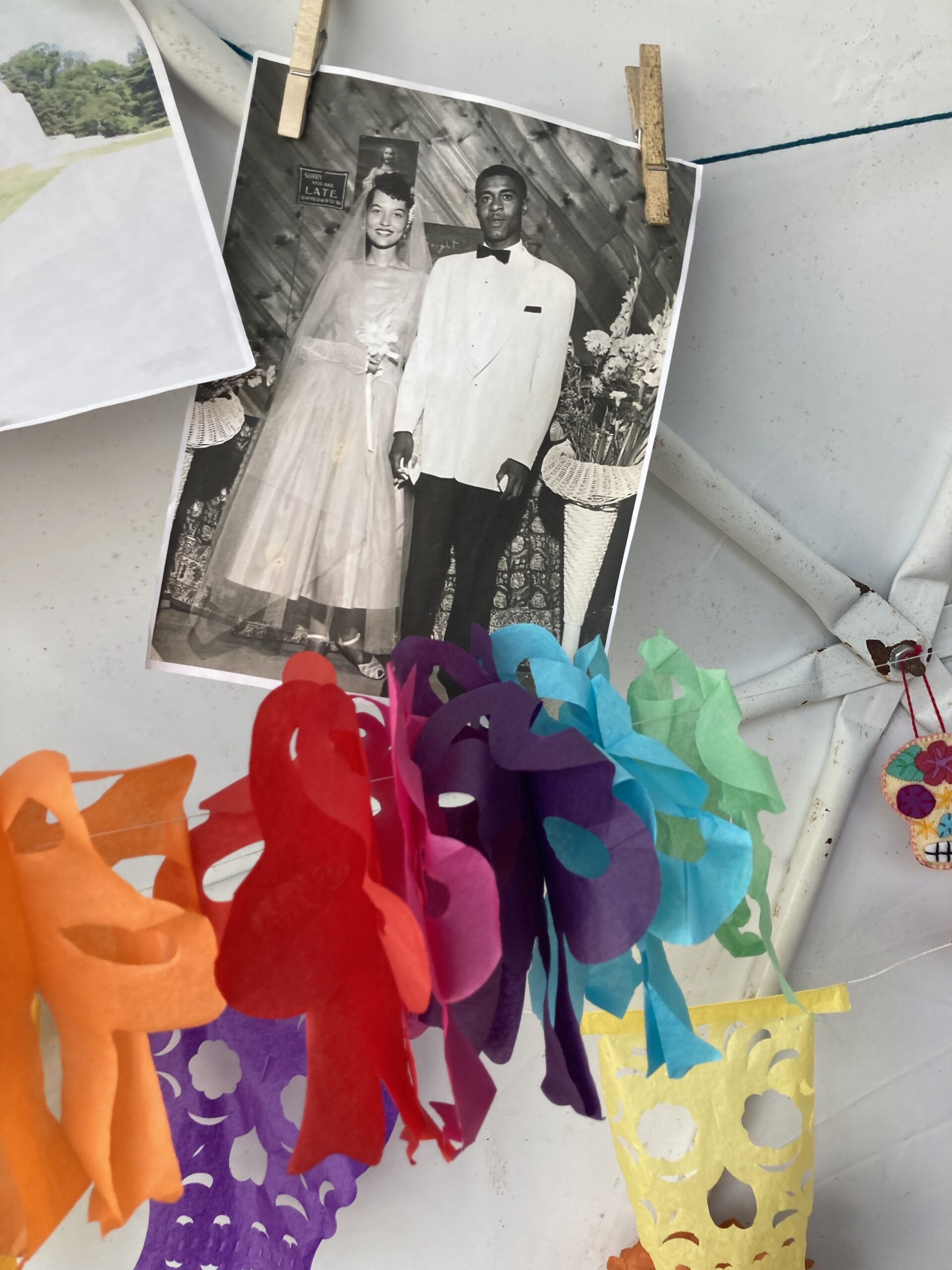
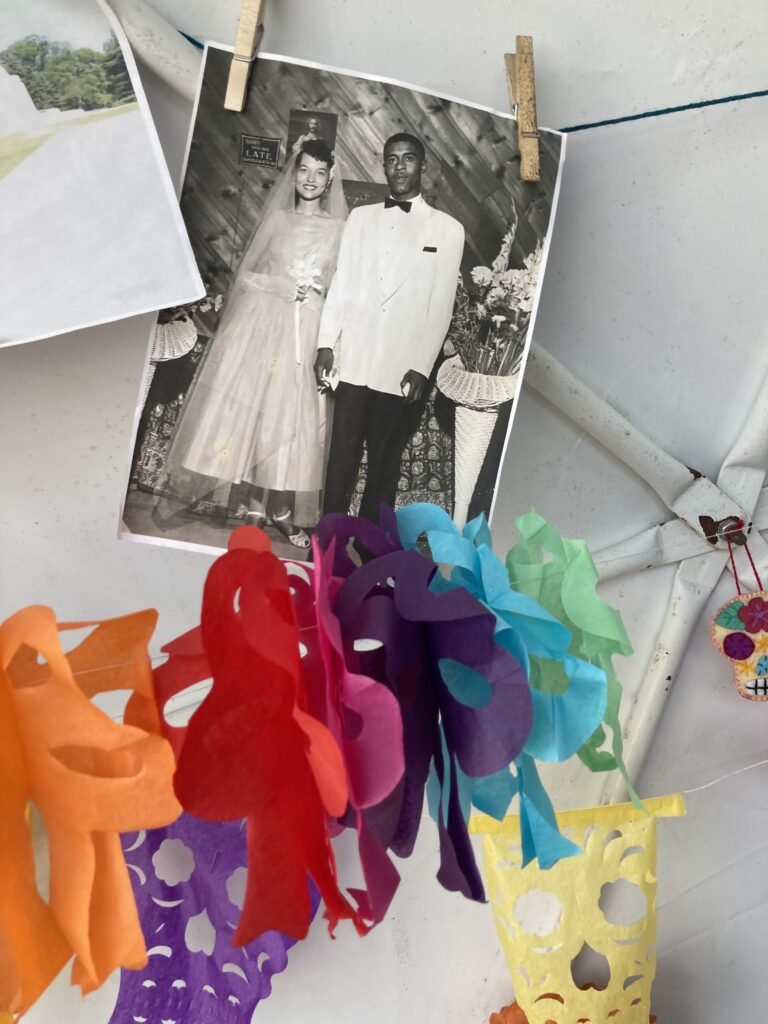
The 1950’s wedding portrait of Miss Jewel’s grandmother and and grandfather completed the epiphany:  combining festivity and grief, we find a bit of what’s beyond our grasp.
Postscript

Thanksgiving Day morning November 24.

Getting up early after a wakeful night, I look for something to do before it gets light enough for my holiday farm chores and randomly browse this blog.  Noticing “Lund Retreat 2007,” an unremembered occasion, I open the 7-entry set, and take some pleasure in the prose and the awakened reminiscence of that autumnal solo excursion to the place which, fifteen years ago, I still regarded as my true home.  The third entry is dated October 31 and chronicles a visit to the Uhlman’s house, where Ronnie said she assumed I knew the answer to her question about the proper Jewish ritual for unveiling a gravestone the first year after interment.  Slightly shamed I told her I had no idea and changed the subject.

Back at Knoll House I happily answered Jan’s phone call.  She mentioned she’d been grieving for Henry on this Jahrzeit of his death in 1995.  With a flash it came back: Halloween in the nursing home, the staff in costume, the arrival of the mortuary attendant who identified himself as “Neptune,” and all that followed– an event recorded twelve years earlier so as not to be forgotten, but nevertheless forgotten on that very day.

Reading that as the light comes up this morning, there’s another flash.  The memory that was lost a few weeks ago, despite the mysterious impulse and visit to the cemetery and contemplation at the shrine behind me and despite the next day’s surprise recollection–that purpose of the Jahrzeit was still unrealized…until now.


Interbeing, the Rhizosphere and Green Burial

Friday, September 16th, 2022


1. Interbeing

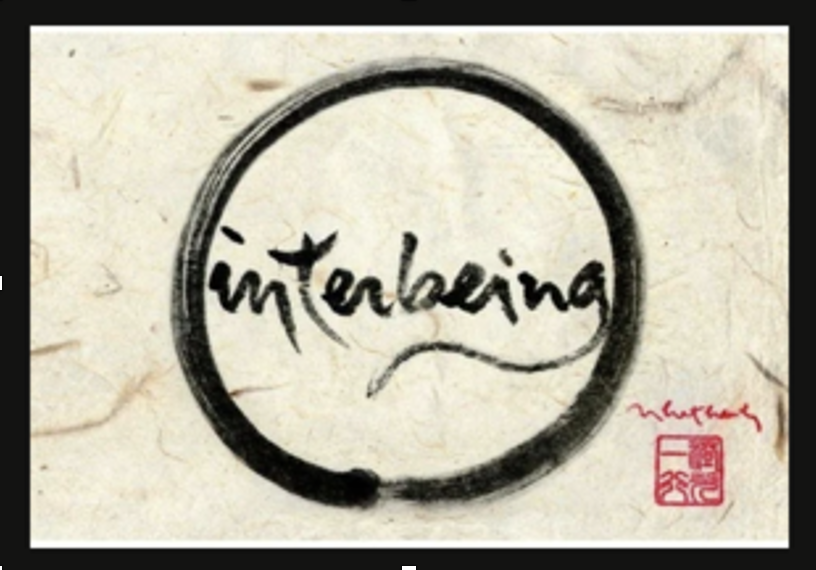
Thich Nhat Hanh coined the word interbeing as a modern label for the traditional doctrine of Dependent Origination or pratityasamutpada, a doctrine taught in all schools of Buddhism.

The term Dependent Origination has two associated but distinct references in different Buddhist traditions.

For the Theravada it refers to a chain of causation known as the twelve nidanas that accounts for the descent from nirvana and wholeness through various spiritual and mental states into the material world of illusion, procreation, life and death known as samsara.[1]

In the Mahayana tradition dependent origination has a more general reference signifying “the mutual containment and interpenetration of all phenomena,” and “a cosmos of infinite realms upon realms, mutually containing one another.”[2]

In developing his practical philosophy of “engaged buddhism,” Thich Nhat Hahn draws more on this tradition.

Here is how he arrived at the word Interbeing: (more…)

Lost and Found

Friday, August 19th, 2022

Hi Alexander

I came across your film as accidentally as you came across my Shakespeare at Swanton website.

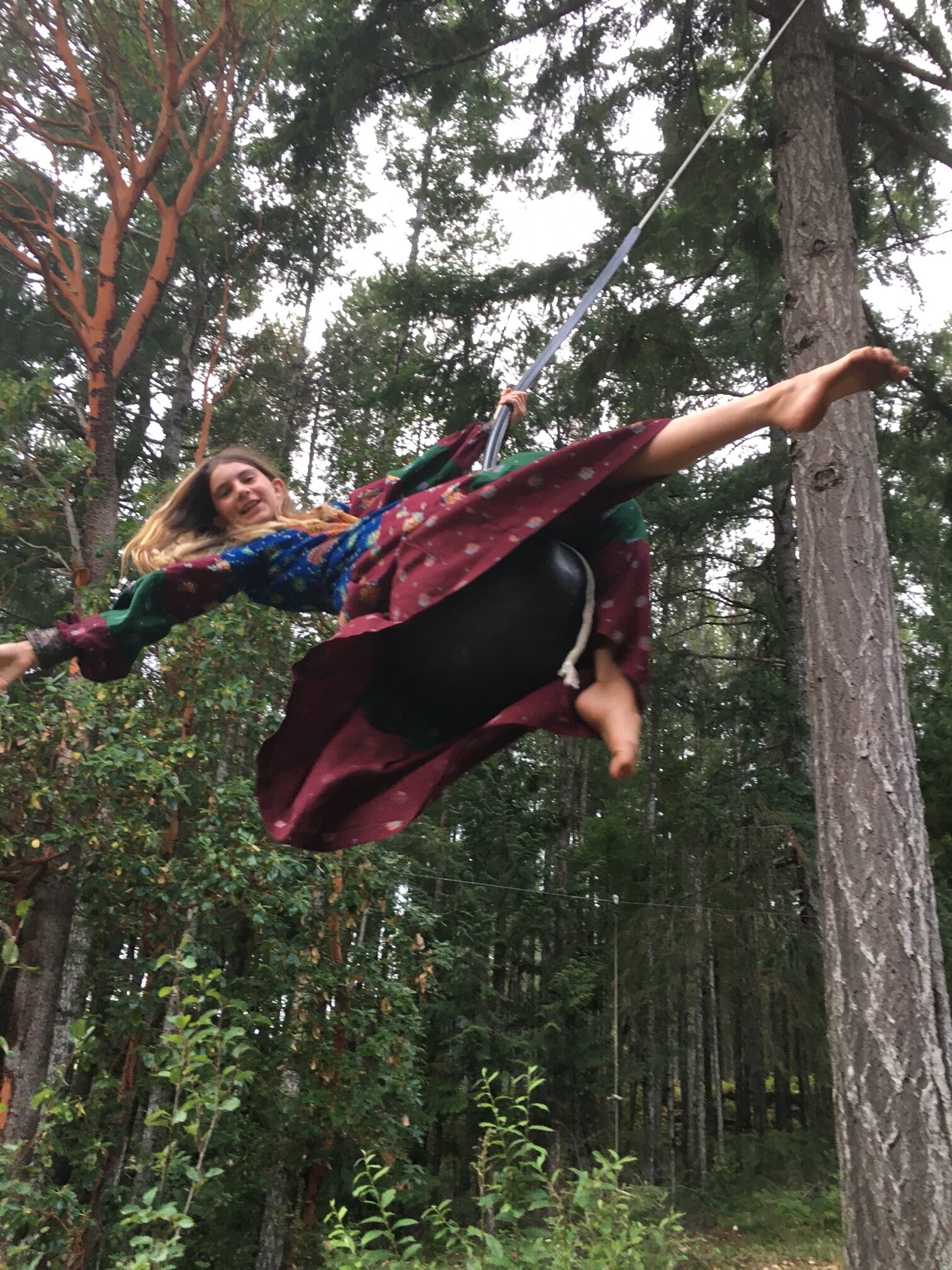
As part of general downsizing efforts, a couple of weeks ago my wife, Jan, sent a beautiful Afghan dress she acquired in 1972, when we homesteaded in the woods of British Columbia, to a friend born and still living there, who took a photo of it, worn by her daughter riding a ropeswing on the property their family leases from us.

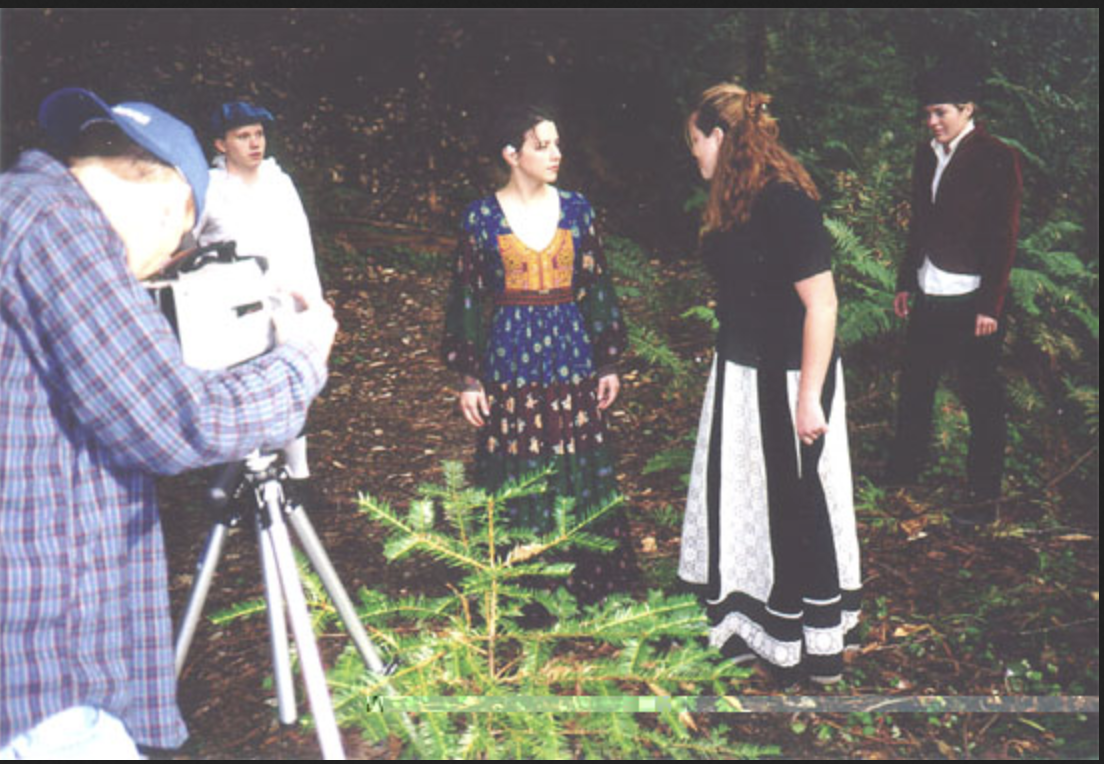
Seeing it reminded me of another woodland use of the dress in 1999 at Swanton Ranch. So I googled the old website to download a picture of it worn by  a student playing Hermia in scenes from A Midsummernight’s Dream that the class filmed there.

I was amazed to find the link to your “Shakespeare at Swanton” video and astounded to watch it.

I’m still pulsing with the world wide web of connections it activated. Parallel surprises of happening upon a relic in the course of searching for lost treasure—lost through fire and aging and through the digital loss of “bitrot” and software updates.

And parallel grief for the losses of Time: 1960’s back-to-the-land hippies turning 80, ’90’s English majors now in their ’40’s, a 2021 forestry student graduated and out in the world.

And the transformation of it all, through memory and art, via the alchemy of Shakespeare.
___________________

March 2024 Postscript: A further variation on the theme of Alex’ video and this post.  Shortly after this entry was written, Cal Poly University erased the whole website which included “Shakespeare at Swanton” from its server. Almost two years later, the site was resurrected from its 404 grave on a different server with a new URL–smarxpoly.net–which allowed for the link here to be reactivated. Thank you, Ty Griffin, for all the work you did to make this happen.

Cal Poly Foundation, Divest from Fossil Fuels

Monday, May 9th, 2022

Comments to Foundation Board of Directors and Finance Committee, May 7 2022

Seven reasons in three allotted minutes to divest Cal Poly Foundation from Fossil Fuel Investments

1.     To respond to the well-informed, respectful and impassioned student testimony at previous meetings urging you to act on this.  Clearly, today’s students and their children will be more impacted by the Climate Crisis than our generation.  Providing financial support to Fossil Fuel companies that continue to play a significant role in worsening that Crisis is neglecting the University’s commitment to the welfare of its present and future students. (more…)

In Memoriam: Bob Kenas

Sunday, April 24th, 2022

December 1942-March 2022

Dear Bob

Deborah phoned me with word of your death a couple of weeks ago.  Since then, you’ve been more present to me than even during the intense emails we’ve exchanged since the reunion I attended at your home in 1996. I regretfully declined to join any more of them because of the difficulty I’ve always experienced relating to individuals within the framework of the group. With no one was that contradiction between social and individual relationships more pronounced than with you.

Back in Netherland Park your role as the classic alpha male made you seem larger than life and me to almost disappear as the tiny omega called “mousie.” And when the girl I’d been in love with since fourth grade started going with you the annihilation felt complete. (more…)

Sheep Shearing Shindig City Farm SLO 2022

Friday, April 22nd, 2022

7. Steven's Still 2

Tucson

Tuesday, April 19th, 2022

April 6

Sitting in $300/night room in the Westward Look Resort. Discounted for Jan’s semiannual reunion of her 1965 Stanford-in-Germany Group to $150.  I agreed to accompany her since it coincided with our 55th anniversary the day we arrived and because I remember Tucson as an appealing place from two earlier visits.

(more…)

Nancy Lucas 1942-2021

Sunday, March 27th, 2022

On Sunday attended a memorial service at the Sangha for Nancy Lucas, my age. Retired before me, about 2006.  Lost contact as part of my withdrawal from English department but heard that seven years ago she was moved by her two sons out of SLO to an Alzheimer facility where the older one lives in Healdsburg.  They organized the memorial at White Heron Sangha in Avila because she was an early member who left before I first got there.  The event was announced through the Sangha email list, but not, it seems, through the English Department. I had the impression a number of those folks, who were closer to her than I, had been personally invited, but many others were absent.

This is the third memorial for Sangha members I’ve been to: Barbara Scott, Melody Demerit, the two others.  Women I had special connections with—Barbara my therapist in 1992 and Melody my copy editor in 1998 and 2005.  Those connections were mixed with admiration: Barbara for bravery in dealing with the unimaginable pain of her rheumatoid arthritis, Melody for her steadfastness in serving on the Morro Bay City Council. And affection: Barbara for her ebullience, Melody for her bluff irreverence.

With Nancy it was different.  The most prominent thing about her was a spectacular beauty and grace.  Her head, with its great green eyes and bright red hair, seemed to float with a buoyancy that suspended the rest of her tall body. Her voice, with its slight hint of Texas drawl, seemed to sing recitative rather than talk.  And as so many of the speakers remarked, she fully shared that celebrity presence with everyone who basked in it.  An illustration in that place of a Buddhist aspiration to be fully there for other people.

And a poignant irony that someone so present lived out her life growing steadily more absent. So absent that the two adored and adoring sons who took her in care remembered, in lengthy detail, her rare moments of partially being there in laughter and song.

A picture of her at our house October 1991 during an English Faculty play reading of Sheridan’s The School for Scandal together with Mike Wenzl (1939-2017)


Miss Leo High Sierra Love Song

Sunday, October 31st, 2021

Driving home from City Farm on Friday morning, I recognized the sound of a favorite voice on KCBX, and soon after heard Neal Losey announcing that Miss Leo was having a CD release party that night in Morro Bay.  She and her mandolinist, Andy O’Brian, had played at our last Fall Harvest Festival in precovid 2019, and at the time, the beauty of her voice kept distracting me from the bustle of activities that needed attention.

When I got home for my midday nap I lay on the couch, logged on to her website, purchased and downloaded the new collection of 13 songs, and dropped off to sleep soothed as if by lullabies.

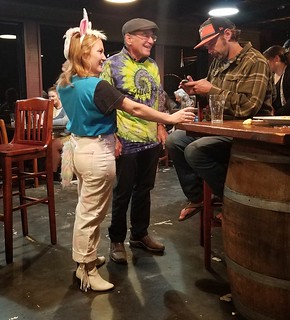
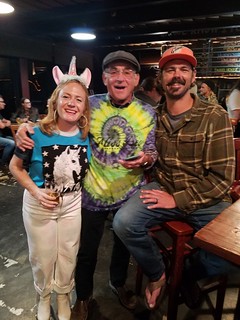
Jan agreed to a date at the Libertine Pub, and after checking out the leftovers of the witches’ paddle in the nighttime fog, we arrived there in time to say hi to Leo, her husband and in-laws during the warm up acts.  Dressed up as a unicorn of sorts for Halloween, Leo recognized me and said she’d noticed that I had bought the album. At the start of her set, she told the audience of her surprise and delight to hear herself earlier on the radio.

The pub crowd was loud enough to have drowned out the earlier performers but when she and the three other band members started “Desert Queen,” the driving first cut on the album, either they quieted down or the music was strong enough to overcome the noise. The combination of original tunes and lyrics square on country music conventions along with honey sweet instrumental and vocal harmonies plunged me into another pre-sleep state of relaxation, but this time fully absorbed by the animated performance.

As she started singing “High Country Love Song,” I felt an echoing recollection: as I had half-consciously heard the song earlier in the day, there was a vague sense that I’d been to the place she so vividly described, in particular its references to pure flowing water and mule trains.

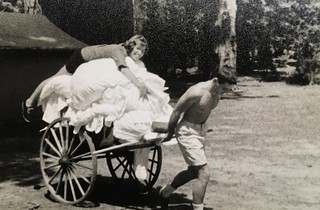
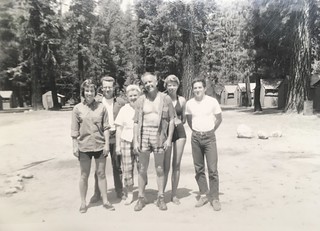
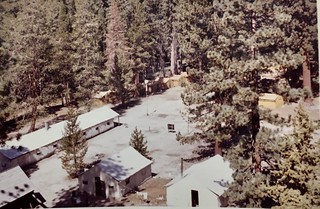
But as its idyllic pastoral unfurled in performance, I suddenly realized she was singing about experiences at a Yosemite Park High Sierra Camp, just like ones I treasured from the summer of 1961, when I worked for three months at Merced Lake as a “Camp Helper” between my sophomore and junior years in college. That was 60 years ago, but nothing had changed, the water, the absence of electricity, the mule trains, the ten mile run to the nearest camp or road, and the young romance.

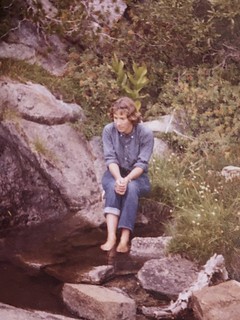
When the song was done, I called out, “High Sierra Camp Helper,” and she stopped, stared at me and said, “how did you know that?” I don’t remember if and what I replied, I was so taken away.  By chance I’d recently come across pictures from that summer job which I’d scanned and put into my Mac photos library and might be able to access on my phone. I scrolled back through the years and there they were.

DB00EAAB-3F83-4769-B488-C038E40995EA_1_105_c

83F5D328-F877-437D-B1CB-D34FCA37B9B9_1_105_c

ABB6A497-5604-45D7-A3B2-EAB863DC739F_1_105_c

6F0CB553-4C01-47BF-950E-86D1D4DFB1C3_1_105_c

7D572281-56A9-4376-BCC9-86D7497ADF77_1_105_c

At that point the band took a break and Miss Leo came over to the table next to us, where her family was sitting. I told her of the memories the song brought back, and she said that was where she met her husband Mitch, just as it was narrated in the lyrics. I brought out the phone and showed them the pictures.  This got every body worked up and Jan captured the moment.

D975E157-0182-4308-981E-F059E2B44D5D_1_105_c

57D9A002-A4D3-4642-94FD-0B26A3E493C7_1_105_c

Mitch said he’d been the cook at Glen Aulin camp and she worked at Tuolumne Meadows. Every Thursday for his overnight day off he would hike the ten miles to see her. He noted that the camp configuration of 1961 was identical to that of 2013 when they met.  Then his mom said she worked at the Tuolumne store in 2017. He showed me a picture on his phone of a Camp Helper Party, and I almost correctly identified the peak in the background–it was not Vogelsang but Fletcher. I immediately recognized the mistake.