Family

Interpreting Academic Acknowledgements

Saturday, November 15th, 2025

This scholarly article from 1999 quotes and analyses the personal acknowledgements in the Preface of Youth Against Age, the 1985 book version of my dissertation, which was completed 1981, fifteen years after it was started. The relevant passage is found on page 265 of the article.

Interpreting Academic Acknowledgement
Kehl and Bodersweier continued

Saturday, May 3rd, 2025

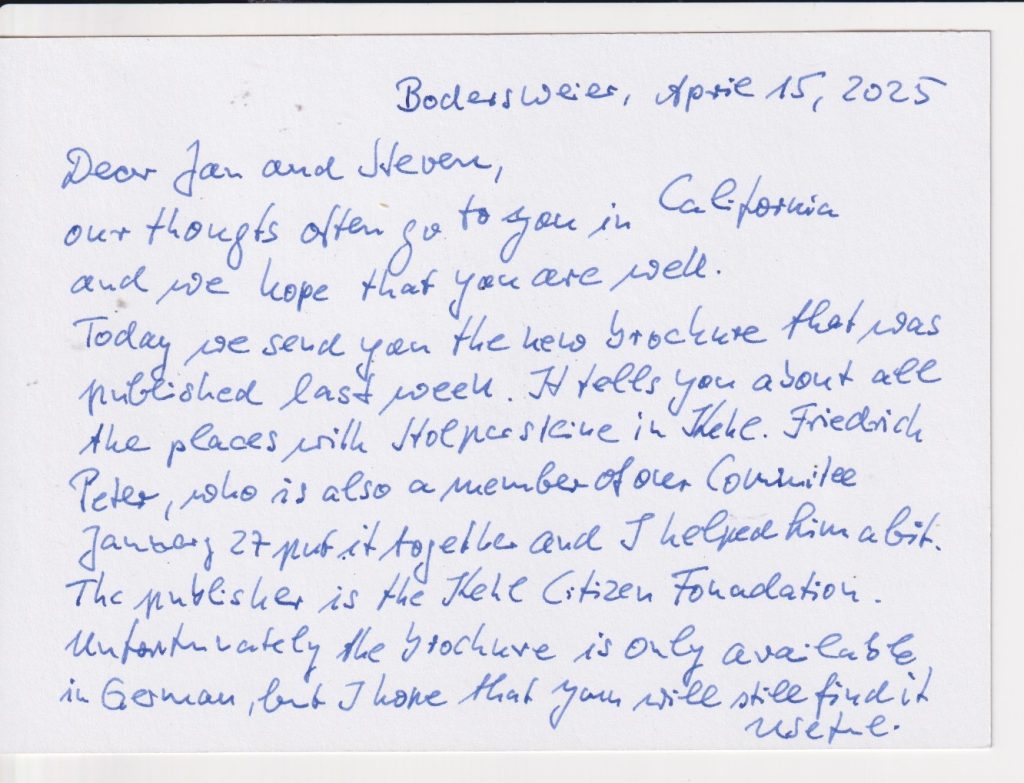
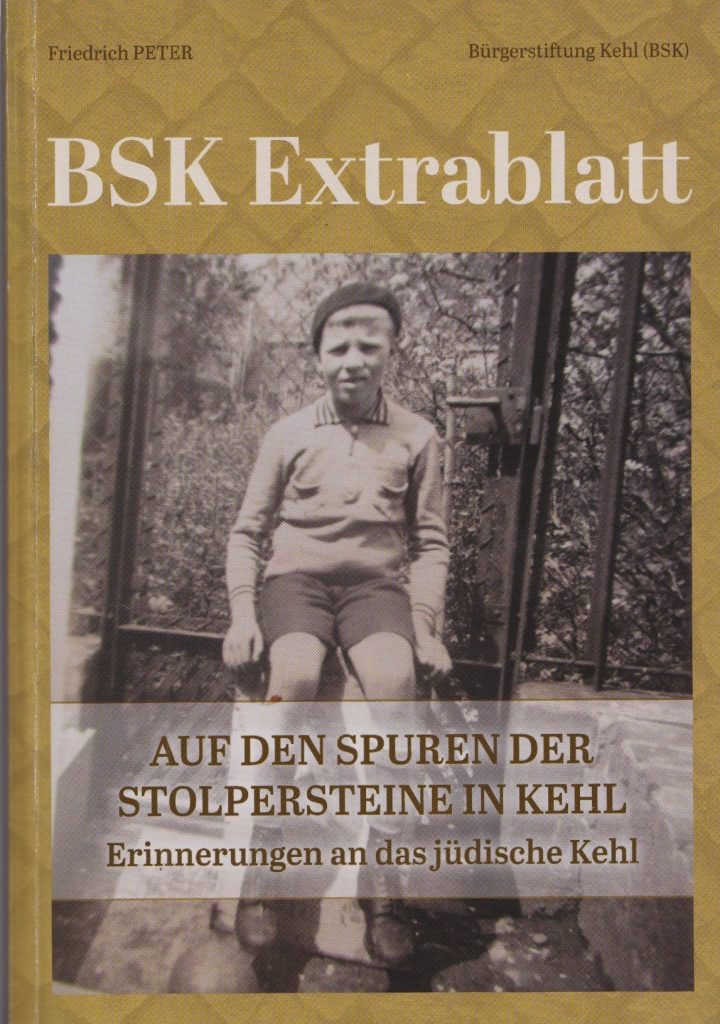
Last week we received a meticulously packed parcel from Hanna and Karl Britz containing a new book published by the Community Foundation of Kehl titled On the Trail of the Stumbling Stones in Kehl: Memories of Jewish Kehl, to which they  made major contributions.  Their enclosed card recalls the intense experience of our visit with them in 2023 and alerts us to the inclusion of  material we provided for an entry about my great grandfather, Josef Wertheimer. As noted in the introduction, the recent trend toward extreme right-wing politics in Germany  as well as in many other countries make this project all the more relevant today. [English translation provided by Mac Photos app]

(more…)

Apology

Tuesday, April 1st, 2025

Only a self truly can apologize

not the mess of organs cells and molecules,

that make it necessary.

I’m sorry to be sick again,

on our anniversary’s eve.

In its seventh day, the cold

I thought was on the run,

succumbing to defenders

in phlegmy piles of corpses,

has left me no less weak this sunny morning

than when it brought me down in wind and rain,

despite the shampoo, shave and change of clothes

I hoped would mean recovery.

The card I’d made to mark our harvest years

together with the close

of this prolonged ordeal

sits waiting in the drawer,

likely now to signify a date

for patience rather than a party.

Only a self truly can forgive

not a flow of passing feelings,

a solid self, forged once

and tempered all this time.

2025 Valentine

Friday, February 14th, 2025

At 5:00 o’clock I stop to cook the meal
Then put the plates and cutlery in place
Under the hanging lamp of glass and steel
With ceremonial care and stately pace

As if some honored guests were on the way
For an event most special and profound
Despite its happening every other day
With only two of us and dog around.

And so do you on nights that alternate
Call me to come out from my private lair
T’enjoy the dinner you’ve worked to create
In the common space we old ones share.

And sitting down we entwine eyes and hands
To celebrate routine, that love expands


Accepting German Citizenship

Friday, October 18th, 2024

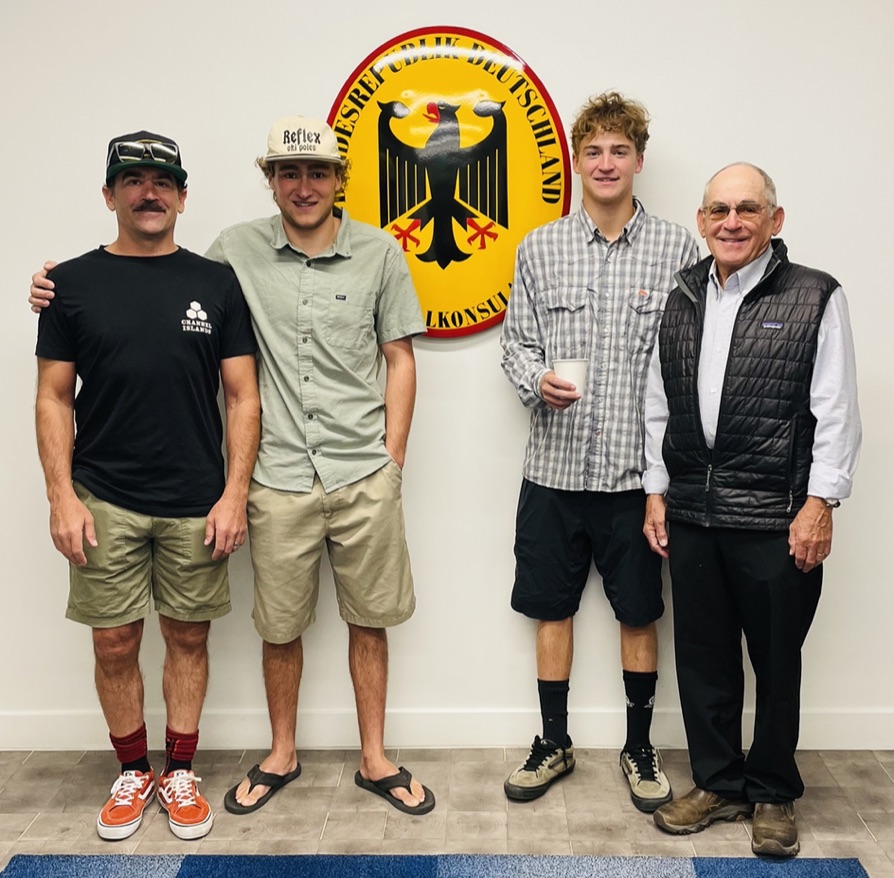
Jan studied German in High School and college. A few months before we first met at a poetry seminar at the Free University of Palo Alto in 1966, she returned from a year-long residence at the Stanford-in-Germany campus near Stuttgart which entailed several months of work as a nurse’s aide at Krankenhaus Bethanien, a nursing home founded by Martin Luther’s wife and located directly on the Berlin Wall. She told me later that when she first saw me, dressed in a white shirt, wine colored v-neck sweater and beret, she thought she was back in Swabia.  My being a first generation child of German refugees was one of the factors that drew us together more than those that separated us–a New York Jew and a Presbyterian Mayflower descendant from L.A.

She’d been a leader of the Stanford-in-Germany alumni group that met regularly ever since and had organized their three-day gathering a few years ago in San Luis Obispo.  She’d also been active in the  organization managing yearlong home exchanges since the fifties between San Luis students and those attending a high school also in Stuttgart, the city where both my parents grew up.

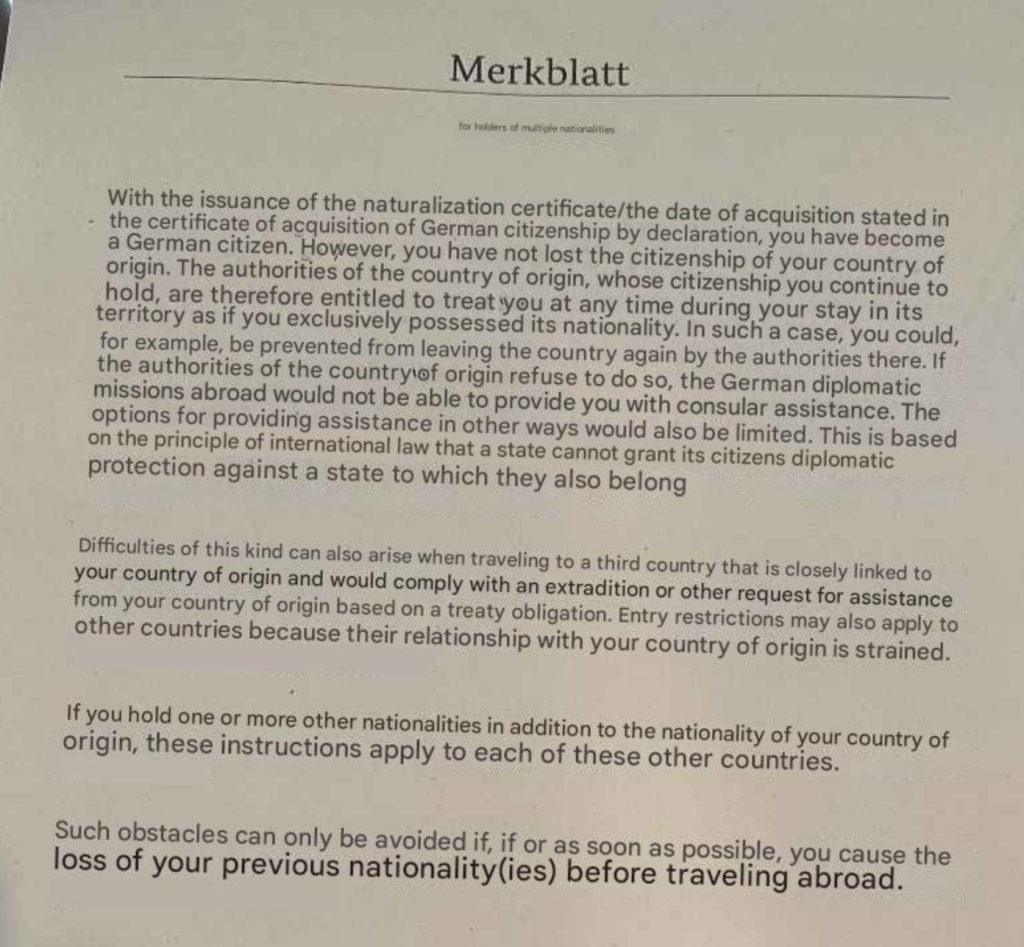
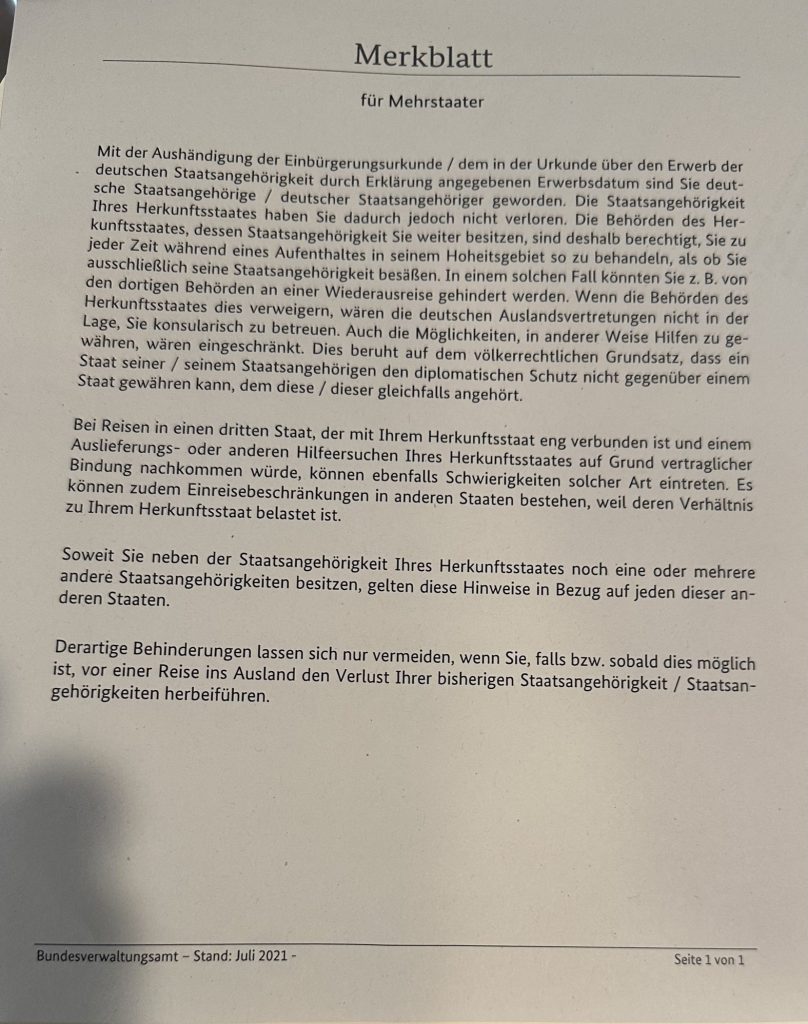
Driven by her general interest in genealogy as well as the post World War 2 effort to understand the horrors of the Holocaust, Jan continually collected stories and documents about my family which I generally preferred to ignore or turn away from.  Learning of the German government’s policy to offer reinstatement of German citizenship to those from whom the Nazis had revoked it, as well as to their children and grandchildren, she took on the challenge of assembling the formidable archive of proof required to qualify for this benefit.

After two years of persistent research and correspondance with the German Consulate in L.A. she secured an appointment on October 16 2024 for the four of us to be sworn in and receive our papers.  By then, given the travel and work opportunities throughout Europe they provided along with a possible escape from the shadow of fascism deepening in this country,  we all were excited to meet for the event and celebrate at a nearby German restaurant afterward.


mm 

Protected: From Louise Blight

Friday, July 19th, 2024

This content is password protected. To view it please enter your password below:

Mother’s Day

Wednesday, May 15th, 2024

I was looking forward to the regular Sunday Creek Freak work party at the Restoration and Enhancement project.  In addition to the four steady College Corps Fellows–including Kennedy, whom I’d seen in a fine performance of a bizarre play at the Spanos theatre the night before, plus grandson Lucas–two new volunteers had signed up.

Late in the previous week the unfinished tasks of moving tree trunks into position together with Josh and his Skid Steer and starting the contracted maintenance program of weeding the plantings, along with testing the irrigation system, were completed.


Earlier in the week the first field trip along the creek project led by Creek Lands Conservation took place, involving 60 fifth graders bussed in for three hours.


I’d been anxiously working toward these outcomes for months.

(more…)

April 2 2024

Sunday, April 7th, 2024
April 2 2024

Jan’s Lavra Talk February 24 2024

Saturday, February 24th, 2024

Activist or Official

El Dia de Muertos 2023

Monday, November 6th, 2023

Jan and I received invitations to two parties celebrating this holiday, both asking us to bring an ancestor’s picture and favorite dish to share.  That morning I felt an irresistible impulse to try to cook spaetzele, a favorite of my grandmother’s. I found several Youtube instructions for doing that, one featuring an Oma who spoke the same low Swabian dialect I remembered.

We attended the party at the home of our neighbors across the street, a beautiful young family the father of prominently Mexican descent.  The house was packed with people of several generations and ethnicities and the ofrenda–traditional memorial altar–overflowed with pictures and mementos, to which I happily contributed my own.

Spaetzele

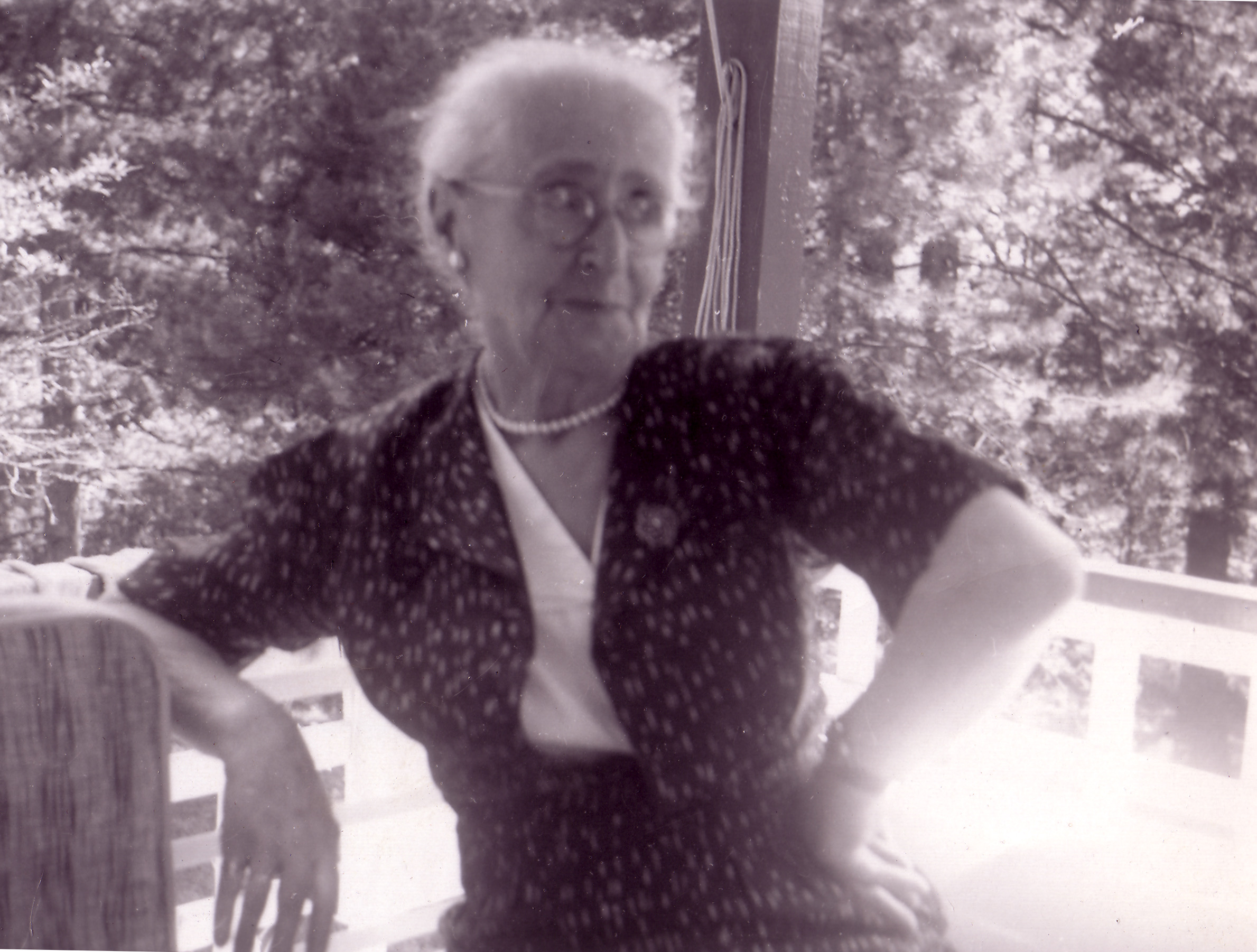
This is a South German dumpling noodle that I loved to eat as a child and even more to watch my grandmother, Elise Wertheimer Marx (1878-1970), prepare over her stove.

I was reminded of it this past July when Jan and I visited Bodersweier, the village where she was born and where her family lived back to the 1700’s.  They were either driven out or murdered by the Nazis.

We were invited there by a German couple our age who’ve worked tirelessly on German Jewish reconciliation, in particular on recording the history of the local Jewish community.  Their son, the mayor of the nearby small city, Kehl, invited us to lunch where Spaetzle was served.

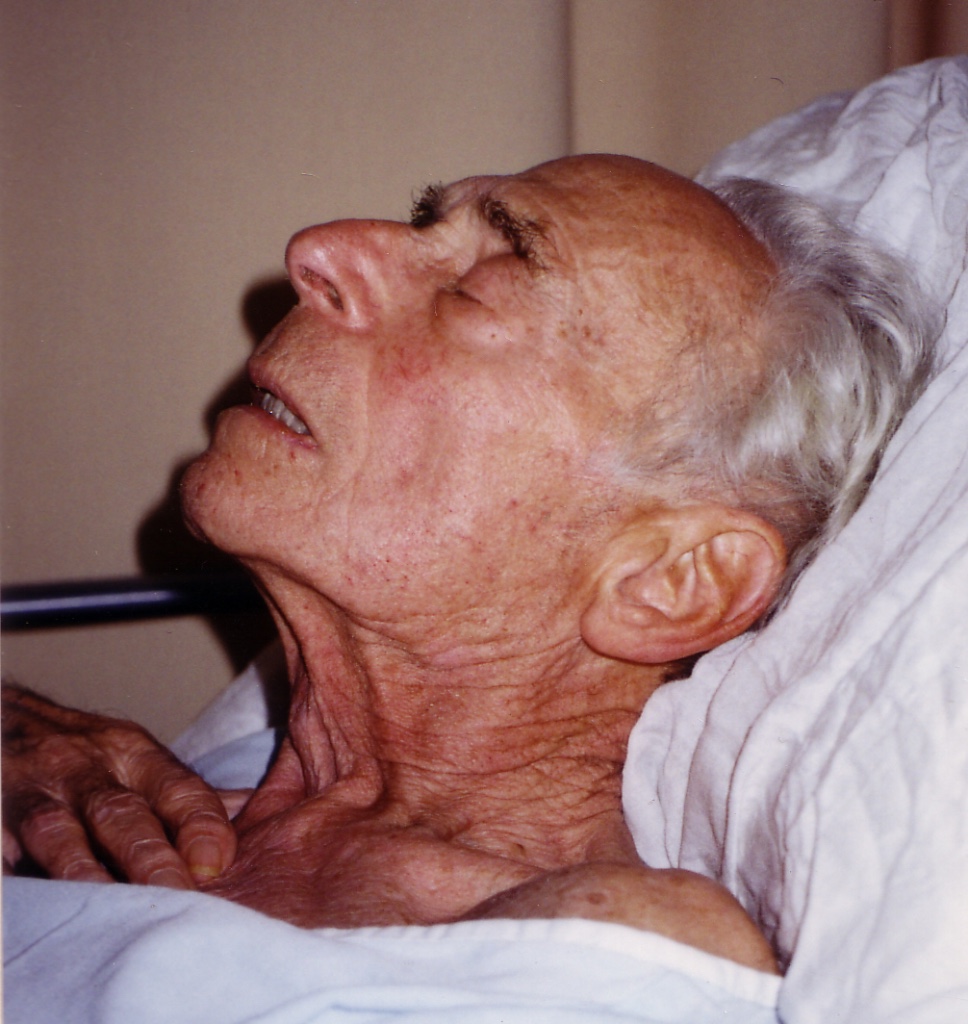
This was yet another layer of awakening  in a chain extending from last year’s post linking memories of the dead to the account of my father’s passing during his nursing home’s Halloween party in 1995.

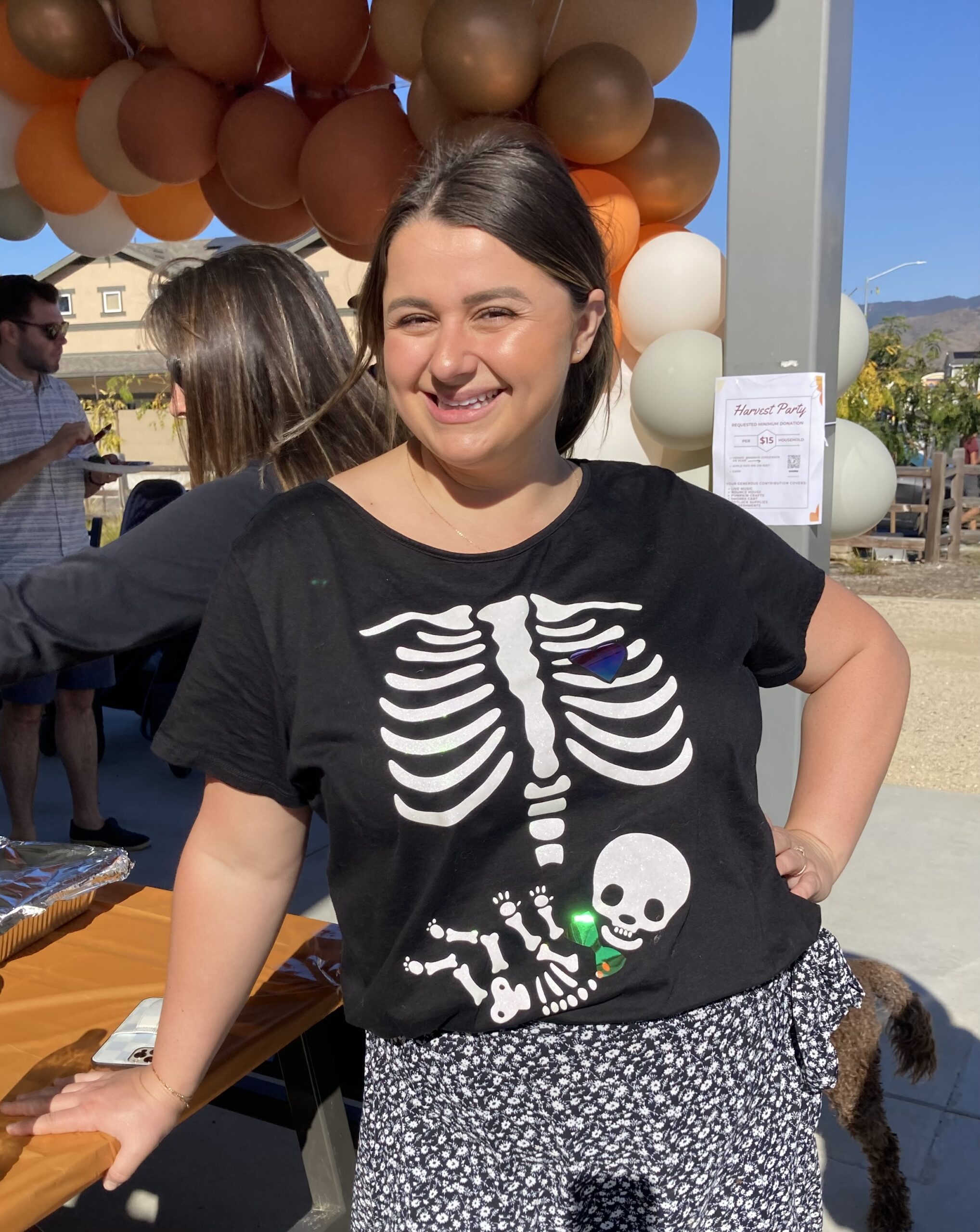
What made the festivity on our street staggeringly poignant was learning that the couple had recently miscarried their second baby, conceived when their first severely autistic love-lavished child turned three years old.

And also that their next door neighbors were pregnant again after having lost their first at six months: